
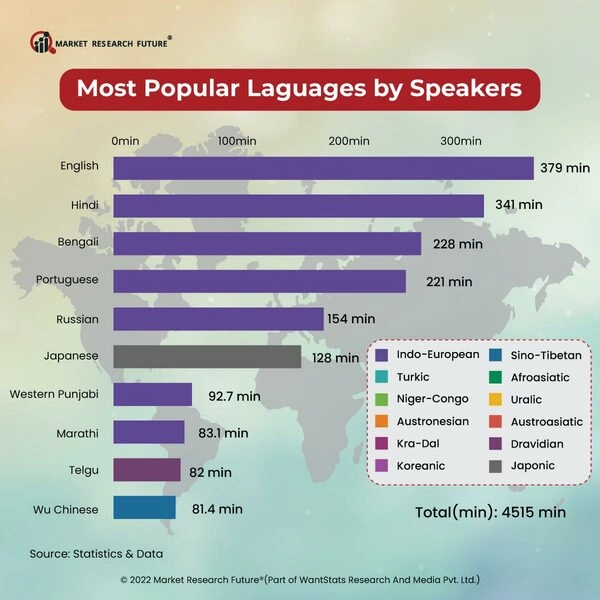
Global Tongues: The Power Ranking of Spoken Languages
Ever wondered which languages truly rule the world? Not in a Game of Thrones kind of way, but in terms of influence, reach, and sheer global impact? We’re not just talking about the number of speakers (though that plays a part!). This is about power – economic power, cultural power, political power, and technological power. So, buckle up, language lovers, because we’re diving deep into the fascinating world of global tongues and unveiling our power ranking!
Forget the old-school language lessons listing the most widely spoken languages. We’re going beyond raw numbers and looking at the factors that genuinely make a language a force to be reckoned with in the 21st century.
Why Language Power Matters: Short-Term and Long-Term Impacts
Understanding the power dynamic of languages isn’t just a fun fact for your next trivia night. It has real-world implications, both in the short term and the long run.
- Short-Term Impacts:
- Career Opportunities: In today’s globalized job market, multilingualism is a huge asset. Knowing a powerful language can significantly boost your career prospects, opening doors to international collaborations, better-paying positions, and leadership roles. For example, fluency in Mandarin can be invaluable for navigating business opportunities in China, while proficiency in Spanish is crucial for engaging with Latin American markets.
- Cultural Understanding: Language is intrinsically linked to culture. Understanding a language allows you to deeply connect with a culture, appreciate its nuances, and build stronger relationships. This is crucial for effective communication and collaboration in international settings, whether it’s negotiating a deal, working on a joint project, or simply fostering mutual understanding.
- Access to Information: A vast amount of information, research, and creative content is published in specific languages. Knowing a powerful language grants you access to a wealth of knowledge and insights that might otherwise be inaccessible. For example, much of the cutting-edge research in science and technology is often published in English.
- Long-Term Impacts:
- Economic Dominance: The languages of economically powerful nations often become lingua francas in international trade and finance. This gives those nations a significant advantage in shaping global economic policies and standards.
- Cultural Influence: Languages associated with dominant cultures tend to spread their influence through media, entertainment, and technology. This can lead to the adoption of cultural values and norms associated with that language, impacting social trends and global perspectives.
- Geopolitical Power: Languages used in international diplomacy and organizations like the United Nations play a crucial role in shaping global governance and decision-making. This gives countries that use those languages a greater voice in international affairs.
- Innovation and Technological Advancement: Languages that are dominant in the tech industry often drive innovation and shape the future of technology. The dominance of English in the digital world has allowed English-speaking countries to lead the way in developing new technologies and shaping the digital landscape.
Power Ranking Considerations: Beyond Just Speakers
So, what factors contribute to a language’s power? Here are a few key considerations:
- Number of Native Speakers: This is the obvious one. More speakers mean a wider reach and greater potential for influence.
- Economic Power: The economic strength of the countries where the language is spoken is a major factor. Languages of wealthy and influential nations tend to be more powerful.
- Geographic Distribution: How widely spoken is the language across the globe? Languages spoken in multiple countries have a greater reach and influence.
- Cultural Influence: Does the language carry cultural weight? Are movies, music, and literature produced in that language globally recognized and enjoyed?
- Political Influence: Is the language used in international organizations and diplomatic circles? This indicates political power and influence.
- Technological Presence: Is the language widely used in the digital world, in coding, and in scientific research? This reflects technological power and innovation.
Power Ranking – The Contenders
While a definitive, scientifically precise ranking is impossible, here are some of the languages consistently at the top, along with the reasoning behind their power:
- English: The undisputed king of global languages. Its dominance stems from its historical influence as the language of the British Empire, its continued economic power in the United States and the UK, its widespread use in international business and science, and its overwhelming presence on the internet.
- Mandarin Chinese: With the largest number of native speakers in the world and China’s rapidly growing economic and political power, Mandarin is a force to be reckoned with. It’s increasingly important for business, trade, and understanding the complexities of the Chinese market.
- Spanish: Spoken across Latin America and Spain, Spanish boasts a vast geographic reach and a growing number of speakers. Its cultural influence is undeniable, and its economic importance is increasing as Latin American economies continue to develop.
- Hindi: Primarily spoken in India, Hindi has a massive number of speakers and a growing presence in the global economy. India’s burgeoning tech industry and its increasing influence in international affairs contribute to Hindi’s rising power.
- Arabic: The official language of many countries in the Middle East and North Africa, Arabic holds significant political and religious importance. Its influence extends beyond its geographic borders, and its cultural impact is undeniable.
- French: Still an important language in international diplomacy, French maintains a strong cultural presence and is widely spoken in Europe, Africa, and Canada. It remains a valuable asset in various fields, including international relations, fashion, and cuisine.
Taking Action: Empower Yourself Through Language Learning
So, what does this mean for you? The good news is that you can leverage the power of language to enhance your own opportunities and influence. Here are some practical steps you can take:
- Identify Your Goals: What do you want to achieve? Do you want to expand your career options, connect with a specific culture, or gain access to new information? Your goals will help you determine which language is the best fit for you.
- Consider Your Interests: Learning a language is a long-term commitment. Choose a language that you’re genuinely interested in, as this will make the learning process more enjoyable and sustainable.
- Explore Different Learning Methods: There are countless ways to learn a language, from traditional classroom settings to online courses, language exchange partners, and immersion programs. Experiment with different methods to find what works best for you.
- Example: Duolingo is a user-friendly app that gamifies language learning, making it fun and engaging.
- Example: Italki connects you with native-speaking tutors for personalized lessons.
- Immerse Yourself in the Language: Surround yourself with the language as much as possible. Listen to music, watch movies, read books, and try to speak with native speakers.
- Example: Use a VPN to access foreign streaming services and watch shows in your target language.
- Don’t Be Afraid to Make Mistakes: Mistakes are a natural part of the learning process. Embrace them as opportunities to learn and improve. The key is to keep practicing and never give up.
Alternative Approaches: Diversifying Your Linguistic Portfolio
Don’t feel limited to just one language! Consider these alternative approaches to broaden your linguistic skills:
- Focus on Regional Languages: If you’re interested in a specific region, learning a regional language can be a valuable asset, even if it’s not one of the most globally powerful languages.
- Learn a Language Related to Your Profession: If you work in a specific industry, learning the language of a key market or supplier can give you a competitive edge.
- Prioritize Languages with a High Return on Investment: Consider languages that are relatively easy to learn but offer significant benefits in your chosen field.
- Complement Your Existing Skills: Build upon your existing language skills by learning a related language. This can make the learning process easier and more efficient.
Conclusion: Embrace the Power of Language
The world of languages is dynamic and constantly evolving. While some languages currently hold more power than others, the landscape is always shifting. By understanding the factors that contribute to a language’s power, you can make informed decisions about which languages to learn and how to leverage them to achieve your goals. So, embrace the power of language, embark on your learning journey, and unlock a world of new opportunities and possibilities. The world awaits!