
“`html
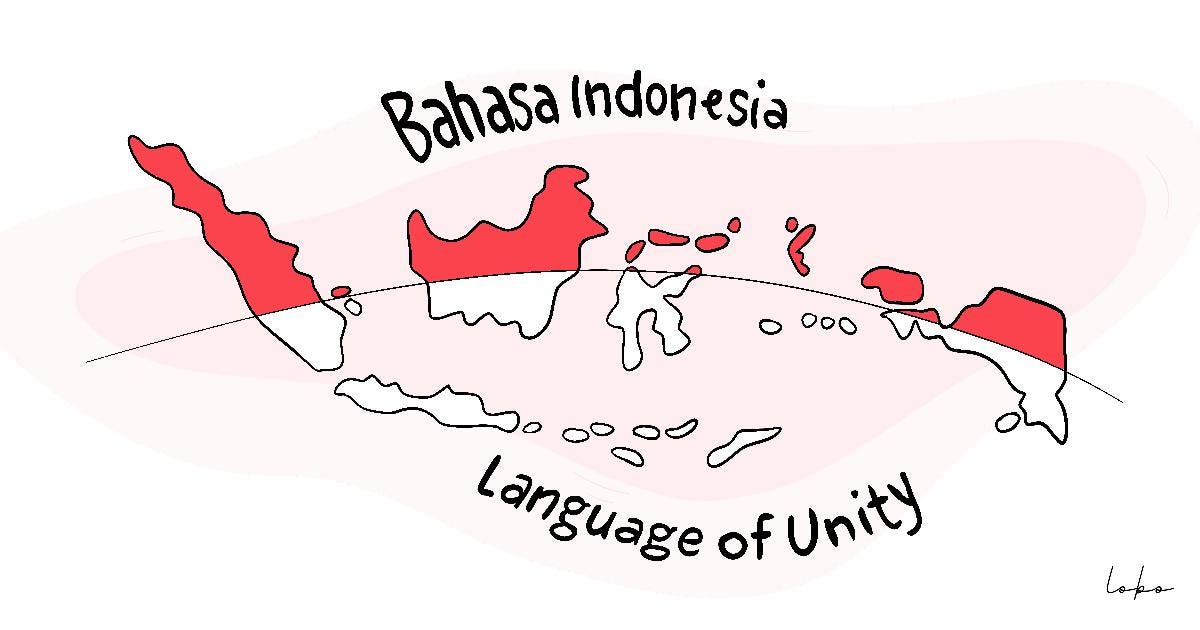
Indonesia’s Linguistic Archipelago: A Nation Defined by Diversity
Introduction
Imagine a tapestry woven with threads of vibrant colours, each strand representing a unique story, a distinct heritage, and a way of seeing the world. That, in essence, is Indonesia’s linguistic landscape. Spanning over 17,000 islands, the archipelago is home to an estimated 700+ living languages, making it one of the most linguistically diverse nations on Earth. But beyond the sheer number, this linguistic richness presents both a source of incredible cultural strength and a set of complex challenges.
Think of it: on one island, you might find a community deeply connected to its ancestral language, using it in daily rituals, storytelling, and even traditional agriculture. On another, a bustling port city thrives on Indonesian (Bahasa Indonesia), the national language, enabling commerce and communication across the archipelago. And yet, within that same city, pockets of linguistic communities still persist, often struggling to maintain their heritage in the face of globalization and the dominance of Bahasa Indonesia.
This article will delve into the captivating world of Indonesia’s languages, exploring the beauty of its diversity, the challenges it faces, and the potential solutions that can ensure its linguistic heritage thrives for generations to come. We’ll skip the overly academic jargon and get straight to the heart of what this means for Indonesia, its people, and the world.
The Beauty and the Burden: A Double-Edged Sword
The incredible diversity of languages in Indonesia is, without a doubt, a cultural treasure. Each language carries within it a unique perspective on the world, shaped by centuries of history, environment, and social interaction. These languages are more than just tools for communication; they are repositories of traditional knowledge, oral histories, and cultural identity.
However, this rich tapestry faces several immediate and long-term challenges:
- Language Endangerment: The stark reality is that many of Indonesia’s smaller languages are facing extinction. As younger generations increasingly adopt Bahasa Indonesia or other global languages, the use of local tongues dwindles, leading to a gradual erosion of cultural heritage. Imagine a world where the intricate knowledge of traditional medicine, passed down through generations in a specific language, is lost forever. This isn’t a far-fetched scenario, it’s a very real threat.
- Socioeconomic Disparities: In areas where local languages dominate, access to education, healthcare, and economic opportunities can be limited. Proficiency in Bahasa Indonesia, and increasingly English, is often a prerequisite for upward mobility. This can create a cycle of disadvantage for communities that are already marginalized.
- The Dominance of Bahasa Indonesia: While Bahasa Indonesia plays a vital role in unifying the nation and facilitating communication, its dominance can inadvertently marginalize regional languages. Government policies, media, and education systems often prioritize Bahasa Indonesia, potentially leading to a decline in the status and usage of local languages.
- Documenting and Preservation: Many Indonesian languages remain undocumented, lacking written grammars, dictionaries, and recorded texts. This makes it difficult to teach these languages to future generations and to preserve their rich oral traditions.
The long-term impact of language loss is profound. When a language disappears, so too does a unique way of understanding the world, a storehouse of knowledge, and a vital part of human heritage. For Indonesia, the loss of its languages would be a tragic impoverishment of its cultural identity, a weakening of its social fabric, and a missed opportunity to harness the power of its diverse perspectives.
Practical Solutions for a Multilingual Future
The good news is that the situation isn’t hopeless. There are several practical and effective solutions that can help preserve and promote Indonesia’s linguistic heritage. The key is to adopt a multi-pronged approach that involves the government, communities, educators, and individuals. Here are some examples:
- Mother Tongue-Based Multilingual Education (MTB-MLE): This approach involves teaching children in their mother tongue in the early years of schooling, before gradually introducing Bahasa Indonesia and other languages.
- Example: Several NGOs in Eastern Indonesia have successfully implemented MTB-MLE programs, resulting in improved literacy rates, increased school attendance, and a stronger sense of cultural identity among students. This approach empowers children to build a solid foundation in their native language while also acquiring proficiency in Bahasa Indonesia, preparing them for future opportunities.
- Language Revitalization Programs: These programs aim to revive and strengthen endangered languages through documentation, teaching, and community engagement. This may include creating dictionaries, grammar books, and teaching materials in local languages.
- Example: The revitalization of the Minangkabau language in West Sumatra has involved creating language nests (kindergartens where only Minangkabau is spoken), producing children’s books in Minangkabau, and organizing cultural events that showcase the language. These initiatives have helped to raise awareness about the importance of the language and to encourage younger generations to learn and use it.
- Utilizing Technology: Technology can play a powerful role in preserving and promoting Indonesian languages. This includes creating online dictionaries, language learning apps, and digital archives of oral traditions.
- Example: There are several initiatives to develop language learning apps and online resources for Indonesian languages, making it easier for people to learn and practice these languages. The use of social media and online platforms can also help to connect speakers of endangered languages and to promote their use in the digital realm.
- Promoting Linguistic Diversity in Media and Arts: Encouraging the use of local languages in radio, television, film, and literature can help to raise awareness about their value and to create a sense of pride in cultural heritage.
- Example: Supporting local filmmakers who produce movies in regional languages, or encouraging writers to publish books in their native tongues, can help to promote linguistic diversity and to provide audiences with a wider range of cultural perspectives.
- Government Support and Policy: Government policies that recognize and protect the rights of linguistic minorities are essential for ensuring the survival of Indonesia’s languages. This includes providing funding for language revitalization programs, supporting MTB-MLE initiatives, and promoting the use of local languages in government services.
Alternative Approaches and Customization
Not every solution will fit every community. Here are a few alternative approaches or ways to customize the solutions above:
- Community-Led Initiatives: Empowering communities to take ownership of language revitalization efforts is crucial. This involves providing them with the resources and training they need to document, teach, and promote their languages.
- Intergenerational Language Transmission: Encouraging grandparents and elders to teach their native languages to younger generations can help to ensure the continuity of cultural heritage.
- Integrating Language into Tourism: Promoting cultural tourism that highlights local languages and traditions can help to generate income for communities and to raise awareness about the importance of linguistic diversity.
A Tapestry Woven Stronger
Indonesia’s linguistic diversity is not a problem to be solved; it is a treasure to be cherished and protected. By embracing a multi-pronged approach that combines education, technology, community engagement, and government support, Indonesia can ensure that its languages thrive for generations to come.
The path forward requires a shift in perspective. Instead of viewing linguistic diversity as a challenge, we need to see it as a source of strength, innovation, and cultural richness. By investing in the preservation and promotion of Indonesia’s languages, we are investing in the future of the nation, ensuring that its vibrant cultural heritage continues to inspire and enrich the world.
It’s time to become active participants in this linguistic renaissance. Whether it’s supporting local language initiatives, learning a new language, or simply advocating for the recognition of linguistic diversity, every action counts. Let’s work together to weave a tapestry where every thread, every language, shines brightly, contributing to the beauty and strength of Indonesia.
“`