
Global Tongues: The World’s Most Dominant Languages
Introduction
Ever stopped to think about the sheer power of language? It’s more than just words; it’s a cultural passport, an economic engine, and a key to unlocking global understanding. In our increasingly interconnected world, some languages carry more weight than others. These “dominant” languages aren’t just spoken by the most people; they wield significant influence in business, politics, technology, and culture. But what makes a language “dominant,” and what are the real-world impacts of this linguistic hierarchy? Buckle up, because we’re about to take a fascinating journey through the world’s most influential tongues.
The Titans of Talk: What Makes a Language Dominant?
Forget just raw speaker numbers (though that’s certainly a factor!). Dominance in language is a complex cocktail of ingredients:
- Economic Clout: Languages tied to economic powerhouses tend to thrive. Think English and the USA, or Mandarin and China. Trade, investment, and international business all heavily rely on these languages.
- Historical Influence: Colonialism played a HUGE role. Languages like English, Spanish, and French were spread across the globe, becoming deeply embedded in legal systems, education, and government structures.
- Cultural Export: The power of entertainment and media cannot be overstated. Hollywood films, K-Pop music, and globally recognized literature can significantly boost a language’s appeal and adoption.
- Technological Advancement: The language of the internet, coding, and technological innovation has a clear advantage. English’s dominance in these fields continues to fuel its global reach.
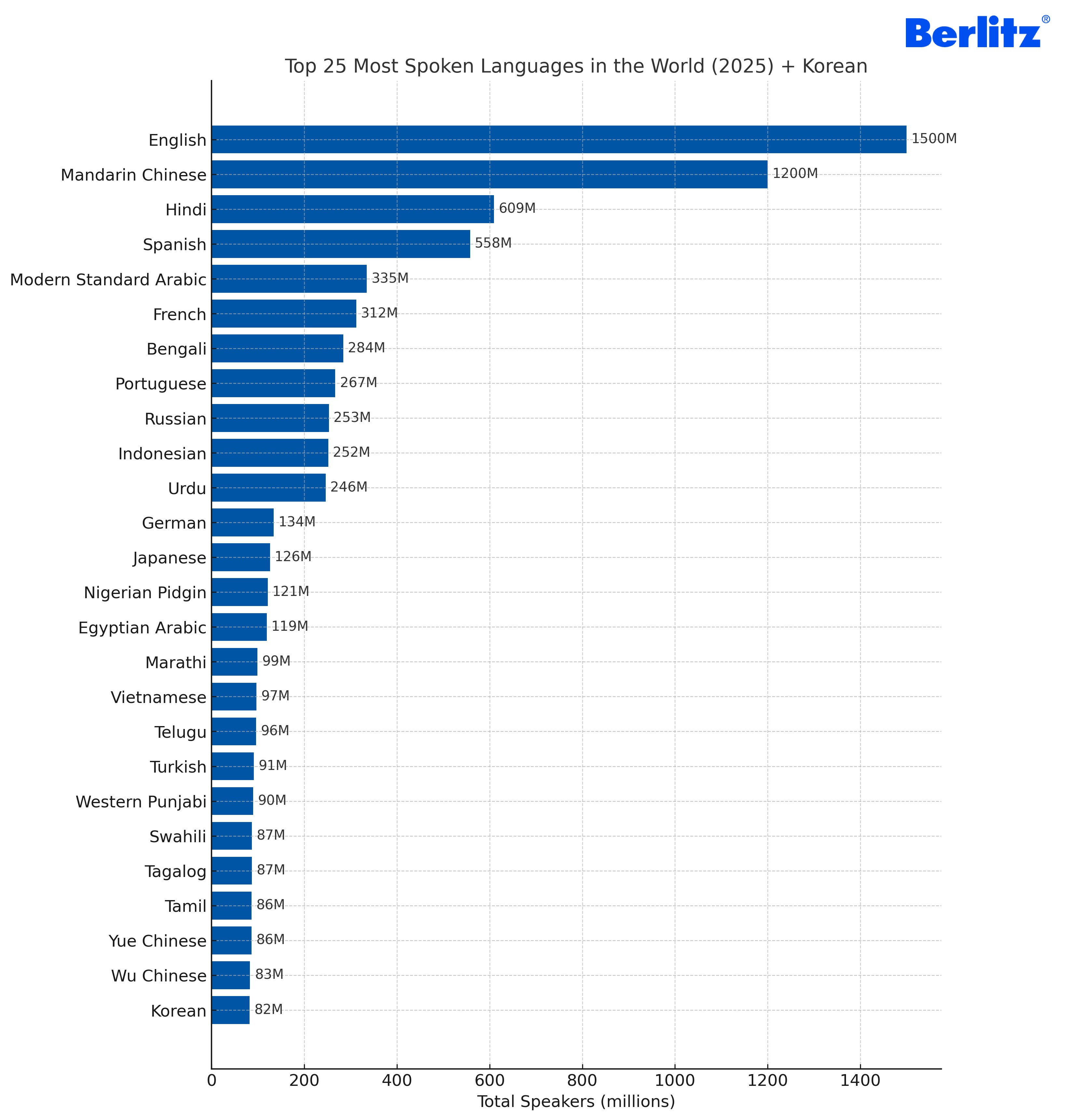
So, which languages are leading the pack? You probably already have some in mind: English, Mandarin Chinese, Spanish, Hindi, Arabic, and French consistently rank among the top contenders. These languages are gateways to vast opportunities and understanding, but their dominance also creates a complex web of challenges.
The Ripple Effect: Short-Term and Long-Term Impacts
The dominance of certain languages isn’t just an abstract concept; it has tangible effects on individuals and societies:
- Economic Advantages: Knowing a dominant language like English can open doors to better job opportunities, higher salaries, and international career prospects. Think of the countless multinational corporations that conduct business primarily in English.
- Access to Information: A significant portion of online content, scientific research, and global news is available primarily in dominant languages. This creates an information gap for those who don’t speak them, limiting their access to knowledge and opportunities.
- Cultural Homogenization: The widespread adoption of dominant languages can sometimes lead to the marginalization of local languages and cultures. This can result in a loss of cultural diversity and a weakening of unique identities.
- Educational Inequality: In many countries, education systems prioritize dominant languages, potentially disadvantaging students who speak different languages at home. This can perpetuate cycles of inequality and limit social mobility.
- Cognitive Benefits: Learning a new language enhances cognitive abilities, such as memory, problem-solving, and multitasking skills. It also broadens perspectives and promotes cultural sensitivity.
The long-term implications are even more profound. The continued dominance of a few languages could lead to a future where linguistic diversity diminishes, and the world becomes increasingly monocultural. While increased communication can be a positive thing, the potential loss of unique languages and the cultural knowledge they carry is a serious concern.
Leveling the Playing Field: Practical Solutions for a Multilingual Future
The good news is that we can actively shape a more equitable and multilingual future. Here are some practical steps individuals, communities, and organizations can take:
- Embrace Language Learning: Make a conscious effort to learn a new language, even if it’s just the basics. This not only expands your personal horizons but also demonstrates respect for other cultures. Apps like Duolingo, Babbel, and Rosetta Stone make language learning more accessible than ever.
- Example: A small business owner in the US learned basic Spanish to better communicate with their Hispanic employees and customers. This simple act not only improved communication but also fostered a stronger sense of community within the workplace.
- Support Language Preservation: Advocate for the preservation and promotion of indigenous and endangered languages. This could involve supporting community-led language revitalization programs, promoting bilingual education, or creating resources for learning and using these languages.
- Case Study: The Māori language in New Zealand faced near extinction but has experienced a resurgence thanks to concerted efforts by the government, community groups, and educational institutions. This involved establishing Māori language immersion schools, promoting Māori language media, and incorporating Māori language and culture into the mainstream curriculum.
- Promote Multilingualism in Education: Encourage schools and universities to offer a wider range of language courses and to integrate multilingual perspectives into the curriculum. This can help students develop a global mindset and prepare them for success in an increasingly interconnected world.
- Example: Many European countries have implemented policies that require students to learn at least two foreign languages in addition to their native language. This has resulted in a more multilingual and culturally aware population.
- Use Technology to Bridge Language Gaps: Leverage technology to overcome language barriers and promote cross-cultural communication. This could involve using translation apps, participating in online language exchange programs, or supporting the development of multilingual content and platforms.
- Example: Google Translate has become an indispensable tool for travelers, business professionals, and individuals who need to communicate with people who speak different languages. While not perfect, it provides a quick and easy way to translate text and speech in real-time.
- Advocate for Inclusive Language Policies: Support policies that promote linguistic diversity and protect the rights of language minorities. This could involve advocating for bilingual education, ensuring access to translation and interpretation services, or promoting the use of multiple languages in government and public services.
- Example: Canada’s official policy of bilingualism recognizes English and French as official languages and ensures that government services are available in both languages. This policy helps to protect the rights of French-speaking Canadians and promote linguistic diversity across the country.
Alternative Approaches:
- Gamification: Turn language learning into CITA4D a fun and engaging experience through games, challenges, and rewards.
- Immersion: Immerse yourself in the language and culture you’re trying to learn by traveling, living abroad, or participating in cultural events.
- Community-Based Learning: Join a language learning group or community where you can practice speaking with native speakers and learn about their culture.
A World of Words: Your Role in Shaping the Future
The dominance of certain languages is a reality, but it doesn’t have to be a barrier. By embracing multilingualism, supporting language preservation, and advocating for inclusive language policies, we can create a future where all languages are valued and respected. The power to shape this future lies in our hands, one word, one conversation, one language at a time. The more we embrace the richness and diversity of global tongues, the better equipped we are to navigate a complex world and build a more connected, understanding, and equitable society for all. So, what language will you explore next? The world is waiting to be understood, one beautiful word at a time.