
Global Tongues: The Powerhouse Languages Shaping Our World
Introduction
Ever wondered why some languages seem to pop up everywhere, from international business meetings to the latest streaming sensations? Or why certain languages open doors to travel, education, and even completely different ways of thinking? Welcome to the fascinating world of “powerhouse languages” – the tongues that wield significant influence on global communication, culture, and commerce.
In a world becoming increasingly interconnected, language isn’t just about exchanging pleasantries. It’s about power, opportunity, and shaping the future. These aren’t just languages with the most speakers; it’s about their impact on international trade, technology, diplomacy, and cultural influence. So, which languages are calling the shots, and why should you care? Let’s dive in!
The Titans of Talk: Who’s on the List?
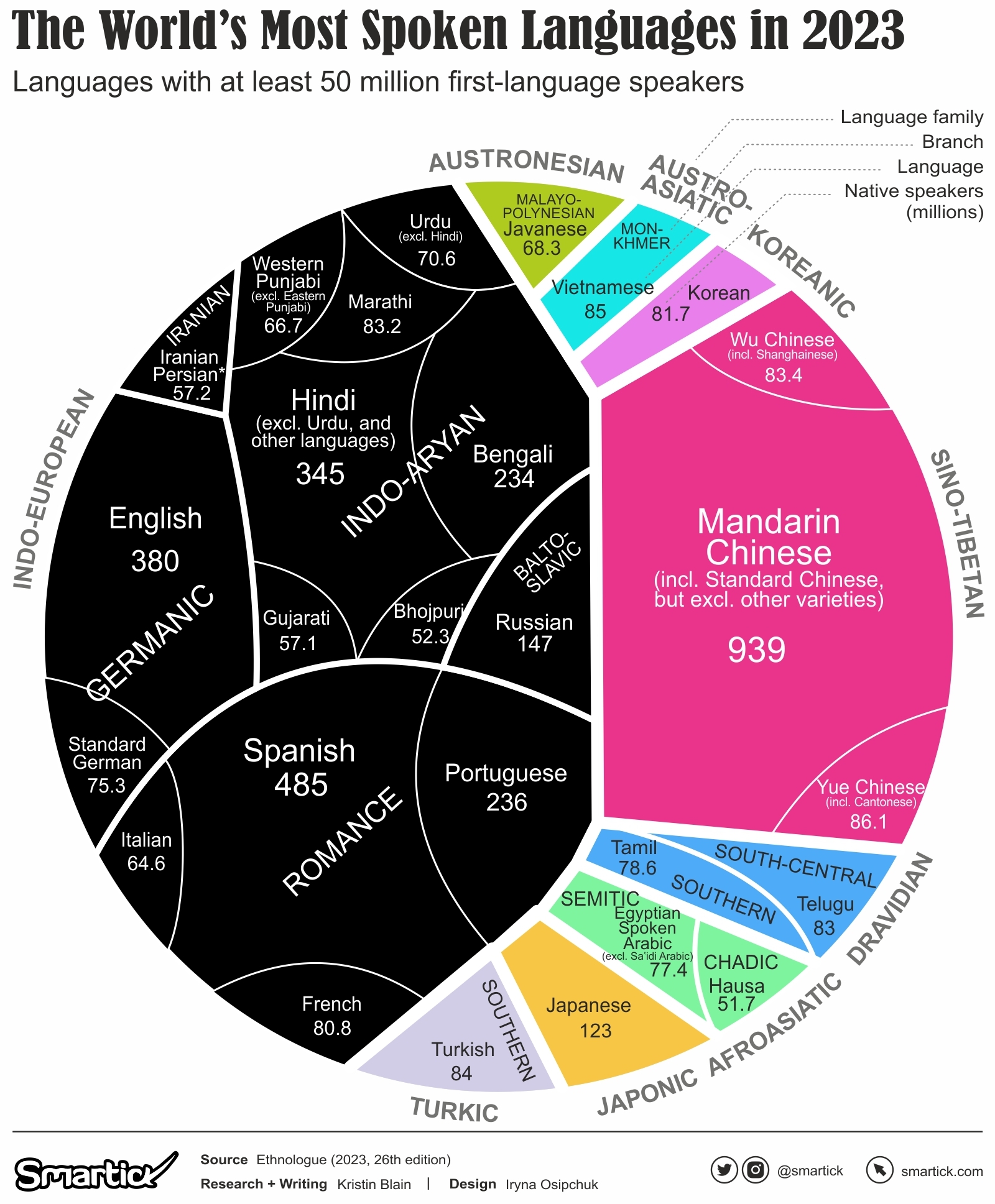
While there’s no definitive ranking, some languages consistently top the list of global powerhouses. English is the undisputed king, dominating international business, science, technology, and popular culture. Then come Mandarin Chinese, with its massive speaker base and burgeoning economic influence; Spanish, connecting vast swathes of Latin America and beyond; and Arabic, a language of significant historical, religious, and strategic importance. Other contenders often include French, German, and Hindi, each boasting unique strengths in specific sectors.
Short-Term Impacts: The Here and Now
The immediate impact of these powerhouse languages is undeniable. In the job market, fluency in English, Mandarin, or Spanish can be a game-changer. Companies seeking to expand globally need employees who can communicate effectively with international partners and customers. A recent study by the Economist Intelligence Unit found that businesses that prioritize language skills are more likely to succeed in new markets. Imagine a marketing firm launching a campaign in China; a team fluent in Mandarin will undoubtedly have a massive edge in understanding local nuances and crafting a message that resonates.
Beyond the workplace, these languages enrich travel experiences. Knowing even basic phrases in the local language can transform a tourist visit into a genuine cultural immersion. It fosters respect, builds bridges, and opens doors to authentic interactions that would otherwise remain closed. Think of backpacking through South America; Spanish fluency lets you engage with locals, understand their stories, and truly experience the continent’s vibrant culture beyond the typical tourist trail.
Long-Term Impacts: Shaping the Future
The long-term impacts of these languages are even more profound. They shape the flow of information, influence international relations, and impact the development of technology. Languages like English, for example, have been at the forefront of scientific breakthroughs and technological innovations for decades, making them essential for accessing the latest research and advancements.
Consider the rise of China as a global economic force. Mandarin Chinese is becoming increasingly important for businesses seeking to tap into the vast Chinese market. In the field of Artificial Intelligence, much of the cutting-edge research is being conducted in Mandarin, making it essential for those looking to lead in this rapidly evolving sector. This influence extends to international relations, as countries with strong linguistic ties often enjoy closer diplomatic and economic cooperation.
The Downside: A World Divided?
While the dominance of certain languages can facilitate communication, it also presents potential problems. It can create a linguistic hierarchy, where speakers of less widely spoken languages are disadvantaged. This can lead to cultural homogenization and the loss of linguistic diversity. Moreover, it can create barriers to accessing information and opportunities for individuals who do not speak the dominant languages.
For example, the dominance of English in scientific publications can make it difficult for researchers from non-English speaking countries to share their findings and gain recognition for their work. This highlights the importance of promoting multilingualism and ensuring that all languages are valued and respected.
Bridging the Gap: Practical Solutions
So, what can be done to navigate this linguistic landscape and promote a more equitable and inclusive world?
- Embrace Multilingualism: Instead of solely focusing on one or two dominant languages, encourage the learning of multiple languages. This not only enhances individual opportunities but also fosters cross-cultural understanding and communication. Governments, schools, and organizations can play a role by providing language learning resources and promoting multilingual education.
- Example: The European Union actively promotes multilingualism through its “Language Learning” initiative, which provides funding for language learning projects and encourages citizens to learn at least two languages in addition to their mother tongue.
- Leverage Technology: Language learning apps, translation tools, and AI-powered language platforms are making it easier than ever to learn and communicate in different languages. These tools can help bridge the gap between speakers of different languages and promote more inclusive communication.
- Example: Duolingo, a popular language learning app, offers courses in dozens of languages and uses gamification to make learning fun and engaging. Google Translate and other machine translation tools can provide instant translations, making it easier to communicate with people who speak different languages.
- Invest in Language Education: Prioritize language education in schools and communities, providing opportunities for people to learn languages from a young age. This can help break down linguistic barriers and promote greater understanding and appreciation of different cultures.
- Example: In Canada, French and English are both official languages, and students are required to learn both languages in school. This has helped to promote bilingualism and foster a sense of national identity.
- Promote Linguistic Diversity: Support initiatives that preserve and promote linguistic diversity, such as language revitalization programs and cultural exchange programs. This can help protect endangered languages and ensure that all languages are valued and respected.
- Example: UNESCO’s Atlas of the World’s Languages in Danger documents languages that are at risk of extinction and promotes efforts to preserve them.
Your Linguistic Adventure Awaits
Learning a new language, especially a powerhouse language, isn’t just about memorizing vocabulary and grammar. It’s about opening yourself up to new perspectives, cultures, and opportunities. Whether you’re looking to boost your career prospects, travel the world, or simply connect with people from different backgrounds, the journey is incredibly rewarding.
So, take a deep breath, pick a language that excites you, and dive in. Start small, be patient with yourself, and celebrate your progress along the way. Remember, every word you learn, every conversation you have, brings you closer to a world of possibilities. You might just surprise yourself with what you discover. The world awaits your voice!