
“`html
Global Tongues: The Languages That Connect Billions
The Tower of Babel, Redefined: Why Language Matters More Than Ever
Ever stopped to think about the sheer power of language? Not just as a way to order a coffee or ask for directions, but as a bridge that spans continents, connects cultures, and fuels global economies? We live in a world more interconnected than ever before, and at the heart of it all are the languages that allow us to communicate, collaborate, and create. But which languages are the true global connectors, and what impact do they have on our world, both now and in the future? Let’s dive in.
In our hyper-connected age, the ability to communicate across linguistic divides is no longer a nice-to-have; it’s a necessity. Think about the immediate short-term impacts: international business deals hinge on clear communication, global news dissemination relies on accurate translation, and even tourism experiences are vastly enriched by a shared language. Imagine trying to navigate a bustling Tokyo train station without even a basic understanding of Japanese – a daunting task, to say the least.
But the long-term implications are even more profound. Language acts as a gateway to understanding different cultures, fostering empathy, and ultimately, contributing to a more tolerant and inclusive global community. It fuels innovation, allowing for the cross-pollination of ideas and perspectives. Furthermore, in the digital age, language is the key to unlocking vast amounts of information and participating in the global conversation. Think about the impact of artificial intelligence and machine learning – they are only as good as the data they are trained on, and that data is predominantly linguistic.
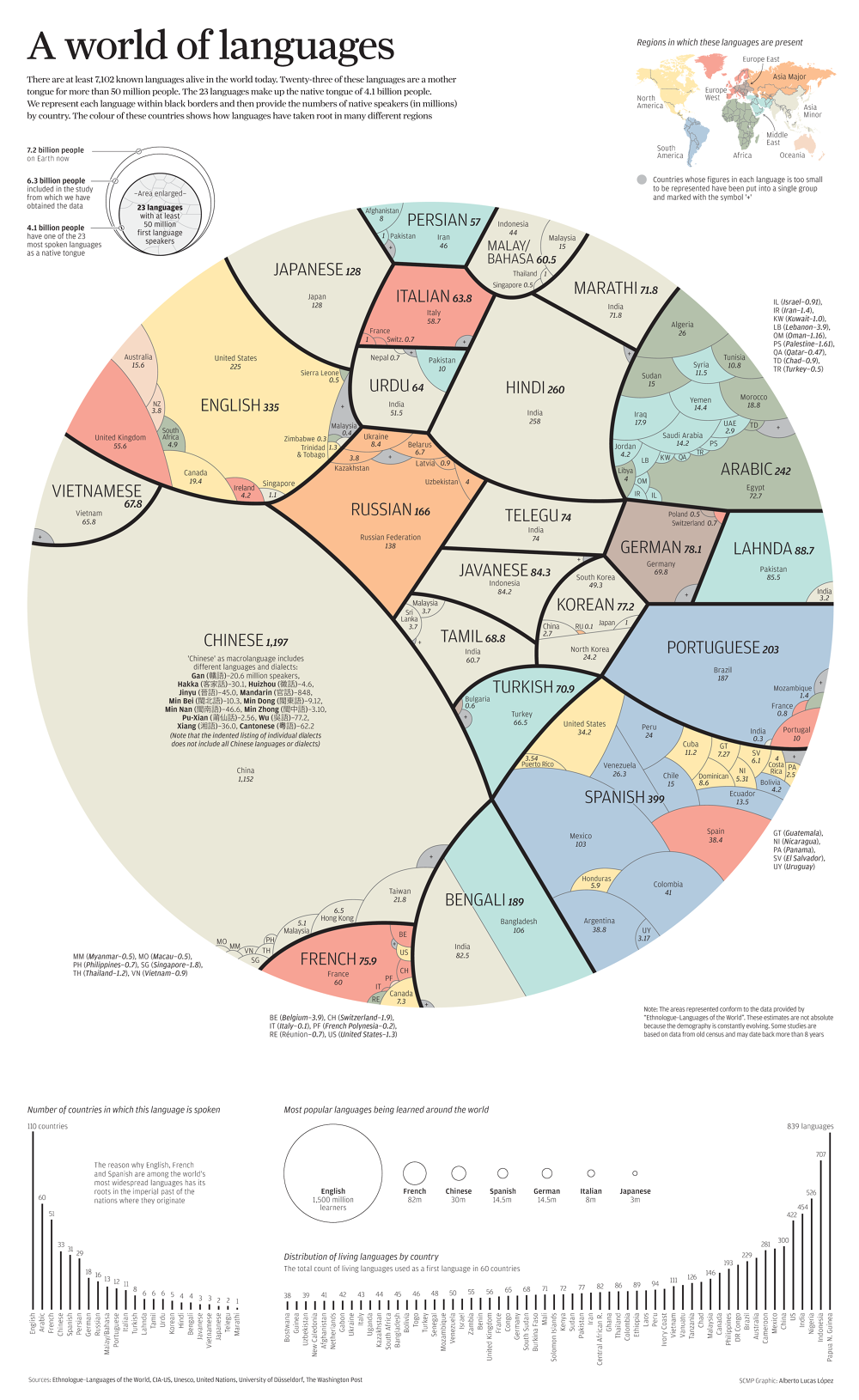
So, which languages are leading the charge in this global conversation? While hundreds of languages are spoken across the globe, a select few have emerged as dominant forces, shaping economies, influencing cultures, and driving international relations. These are the languages that truly connect billions.
The Usual Suspects: Languages Shaping the World
You probably have a few languages in mind already, and for good reason. English, with its historical reach and current dominance in business and technology, remains a key player. It’s the lingua franca of international organizations, the language of scientific publications, and the primary language of the internet. Learning English opens doors to a vast network of opportunities and resources.
Then there’s Mandarin Chinese, the language spoken by the largest population in the world. As China’s economic influence continues to grow, so does the importance of Mandarin. Businesses looking to tap into the Chinese market, individuals seeking to understand Chinese culture, and even researchers wanting to access the latest advancements in Chinese science and technology are all increasingly reliant on Mandarin.
Spanish, spoken across Latin America and in Spain, boasts a vast and diverse community of speakers. Its growing presence in the United States also makes it a critical language for businesses and individuals operating in North America. French, while perhaps not as widespread as English or Spanish, still holds significant cultural and diplomatic weight, playing a key role in international organizations and serving as a language of elegance and sophistication.
But beyond these heavyweights, other languages are steadily gaining prominence. Hindi, Arabic, Portuguese, and Russian are all significant players in their respective regions, offering access to unique cultures, burgeoning economies, and growing online communities.
Bridging the Gap: Practical Solutions for a Multilingual World
So, what can we do to navigate this multilingual landscape and harness the power of global tongues? Thankfully, the solutions are more accessible than ever before.
- Embrace Language Learning: This might seem obvious, but the benefits of learning a new language extend far beyond practical communication. It sharpens cognitive skills, broadens cultural understanding, and opens up a world of new experiences. Start with online courses (Duolingo, Babbel, Memrise offer accessible and engaging platforms), language exchange partners (platforms like HelloTalk and Tandem connect you with native speakers), or even local language classes. Don’t be afraid to start small – even a basic grasp of a new language can make a world of difference.
- Case Study: Imagine a small business owner in the US who decides to learn basic Spanish. They can now communicate directly with potential customers in their local Hispanic community, leading to increased sales and a stronger relationship with their clientele.
- Leverage Technology: Translation tools have come a long way. Google Translate, DeepL, and other machine translation services can provide instant translations of text and speech, allowing for basic communication even without fluency. While not perfect, these tools are constantly improving and can be invaluable for navigating unfamiliar situations.
- Alternative Approach: Consider using AI-powered transcription and translation services for business meetings or webinars. This allows participants to follow the conversation in their preferred language, ensuring everyone is on the same page.
- Foster Multilingualism in Education: Schools and universities need to prioritize language education, not just as an elective, but as a core skill for the 21st century. Encouraging students to learn multiple languages from a young age will not only benefit them personally but also contribute to a more globally aware and competitive workforce.
- Practical Application: Implement immersive language programs in schools, where students learn subjects like math and science in a foreign language. This provides a more engaging and effective way to acquire language skills.
- Promote Cultural Exchange: Language and culture are inextricably linked. Participating in cultural exchange programs, volunteering abroad, or even simply engaging with diverse communities in your local area can foster a deeper understanding of different languages and cultures.
- Example: A university student participating in a semester abroad program in Japan not only learns Japanese but also gains firsthand experience of Japanese culture, leading to a more nuanced understanding of the language and its nuances.
- Support Multilingual Content Creation: Encourage the creation and distribution of content in multiple languages, from books and movies to websites and social media posts. This ensures that information is accessible to a wider audience and promotes linguistic diversity.
- Alternative Solution: Businesses can invest in translating their website and marketing materials into multiple languages to reach a global audience.
A World of Possibilities: Embrace the Power of Language
The global landscape is constantly evolving, and the languages that connect us are playing an increasingly vital role in shaping our future. By embracing language learning, leveraging technology, and promoting multilingualism, we can break down barriers, foster understanding, and unlock a world of opportunities. It’s not about mastering every language, but about recognizing the power of communication and actively engaging with the linguistic diversity that surrounds us.
So, take a moment to consider the languages that resonate with you. What cultures intrigue you? What opportunities beckon? Learning a new language is an investment in yourself, in your future, and in a more connected and understanding world. The power to bridge the gap, to connect with billions, lies within your grasp. Start today, and discover the transformative power of global tongues.
“`