
English: The Language That Ate the World
Introduction
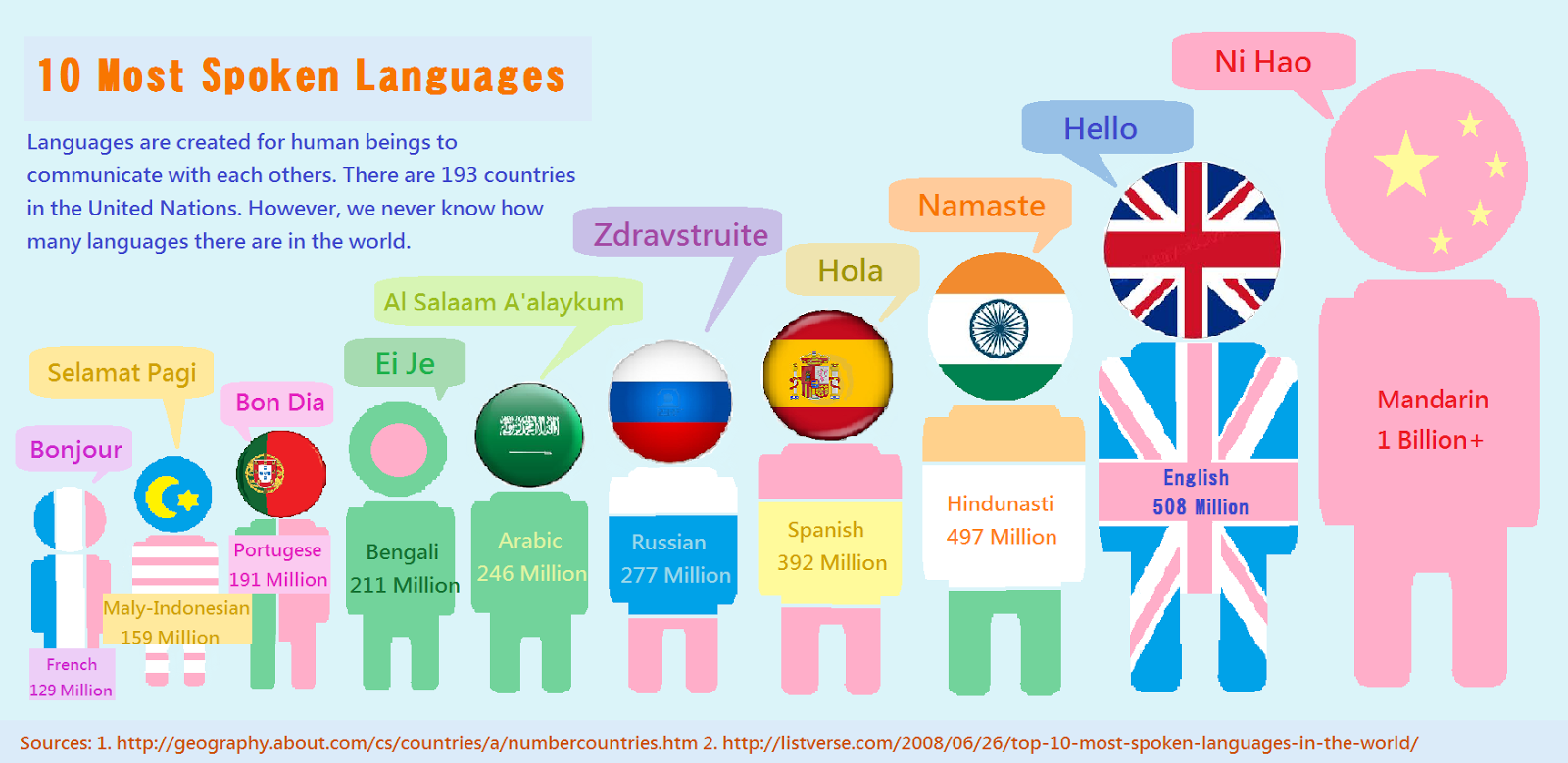
Ever feel like English is everywhere? From catchy tunes blasting from your headphones to the tech manuals you dread deciphering, it’s the lingua franca that seems to have swallowed up the globe. But how did one language become so dominant, and what are the consequences – both good and, well, a little unsettling?
Think of English as that ambitious friend who started with humble beginnings and now runs the whole show. Its journey from a relatively obscure Germanic tongue to the global powerhouse it is today is a fascinating tale of historical accident, economic might, and cultural influence. We’re talking about centuries of colonization by the British Empire, the explosion of American pop culture, and the digital revolution, all turbo-charged by the inherent adaptability of the English language itself.
But this linguistic takeover isn’t just a historical curiosity. It has profound implications for individuals, communities, and the world stage. So, let’s dive in and explore the good, the bad, and what we can do about it.
The Short-Term Buzz: Opportunity and Exclusion
The immediate benefits of English dominance are undeniable. In the short term, proficiency in English unlocks doors to incredible opportunities. Think about it:
- Career Advancement: In countless industries, English is the language of international business. Whether you’re vying for a promotion in your company or seeking a job with a multinational corporation, English proficiency often gives you a significant edge.
- Access to Information: A vast majority of online content, scientific research, and academic literature is published in English. This makes it the key to accessing cutting-edge knowledge and participating in global conversations.
- Travel and Communication: English serves as a common ground for travelers and individuals from diverse linguistic backgrounds. Need to ask for directions in Tokyo? English is often your best bet. Want to connect with someone from Brazil online? Chances are, you’ll be communicating in English.
However, this dominance also creates a stark divide. For those who lack access to quality English education, the language barrier can become a significant obstacle.
- Economic Disadvantage: Without English skills, individuals may be excluded from higher-paying jobs and international trade opportunities, perpetuating cycles of poverty and inequality.
- Limited Access to Information: Essential information related to healthcare, government services, and legal rights may not be readily available in local languages, leaving vulnerable populations at a disadvantage.
- Cultural Marginalization: The pressure to conform to English-speaking norms can lead to the erosion of local languages and cultural identities, creating a sense of displacement and alienation.
The Long Game: Linguistic Diversity at Risk?
Looking at the bigger picture, the long-term consequences of English’s global spread are even more complex. While it has facilitated communication and collaboration across borders, it also poses a significant threat to linguistic diversity.
- Language Extinction: UNESCO estimates that nearly half of the world’s 6,000+ languages are endangered. The dominance of English accelerates this trend as speakers abandon their native tongues in favor of the perceived economic and social advantages of English. Imagine a world where the unique nuances, cultural heritage, and historical knowledge embedded in these languages are lost forever.
- Cultural Homogenization: As English becomes the default language of global media and popular culture, there’s a risk of cultural homogenization, where local traditions and artistic expressions are overshadowed by Western influences. We might lose the beautiful tapestry of human expression that is woven from different languages and cultural perspectives.
- Cognitive Impact: Research suggests that multilingualism enhances cognitive abilities such as problem-solving, creativity, and multitasking. The loss of linguistic diversity could, therefore, have negative consequences for human intelligence and innovation.
What Can We Do? A Toolkit for a Linguistically Balanced World
So, how do we navigate this complex landscape and strike a balance between the benefits of English as a global language and the need to preserve linguistic diversity? Here are a few practical solutions:
- Invest in Multilingual Education: Promote multilingual education programs that encourage students to learn English without sacrificing their native languages. This could involve offering bilingual curricula, supporting language immersion programs, and celebrating linguistic diversity in schools. For example, countries like Singapore and Canada have successfully implemented bilingual education policies that enable students to thrive in a globalized world while maintaining their cultural identities.
- Support Language Preservation Efforts: Governments, organizations, and individuals can support initiatives aimed at documenting, revitalizing, and promoting endangered languages. This could involve creating language learning resources, developing language apps, and organizing cultural events that celebrate linguistic diversity. In Wales, the Welsh Language Act of 1993 recognized Welsh as an official language, leading to a revival in its use and appreciation.
- Promote Translation and Interpretation: Invest in translation and interpretation services to ensure that essential information is accessible to everyone, regardless of their language skills. This includes translating government documents, healthcare materials, and educational resources into multiple languages. Consider the European Union, which operates on the principle of multilingualism and provides translation and interpretation services in all of its official languages.
- Embrace Technological Solutions: Utilize technology to overcome language barriers and promote cross-cultural communication. This could involve using machine translation tools, developing multilingual apps, and creating platforms that facilitate language exchange. Google Translate, for example, has made it easier for people from different linguistic backgrounds to communicate with each other in real time.
- Be a Conscious Language Learner: When learning English, be mindful of its impact on local languages and cultures. Support local businesses that promote linguistic diversity, learn a few phrases in the local language when traveling, and challenge the assumption that English is always the default language. Even simple gestures like using the local language when ordering coffee or thanking someone can make a big difference.
The Future is Multilingual: A Reason for Optimism
The rise of English as a global language presents both challenges and opportunities. While its dominance has facilitated communication and collaboration, it has also created inequalities and threatened linguistic diversity. However, by embracing multilingualism, supporting language preservation efforts, and utilizing technology to overcome language barriers, we can create a world where English serves as a bridge rather than a barrier.
Let’s not see English as a conqueror, but as a tool – a powerful tool that, when wielded responsibly, can help us build a more interconnected, inclusive, and culturally rich world. The future isn’t monolingual. It’s vibrantly, beautifully multilingual, and we all have a role to play in shaping it. So, go forth, learn a new language, support linguistic diversity, and be part of the solution. The world – in all its linguistic glory – will thank you for it.