
“`html
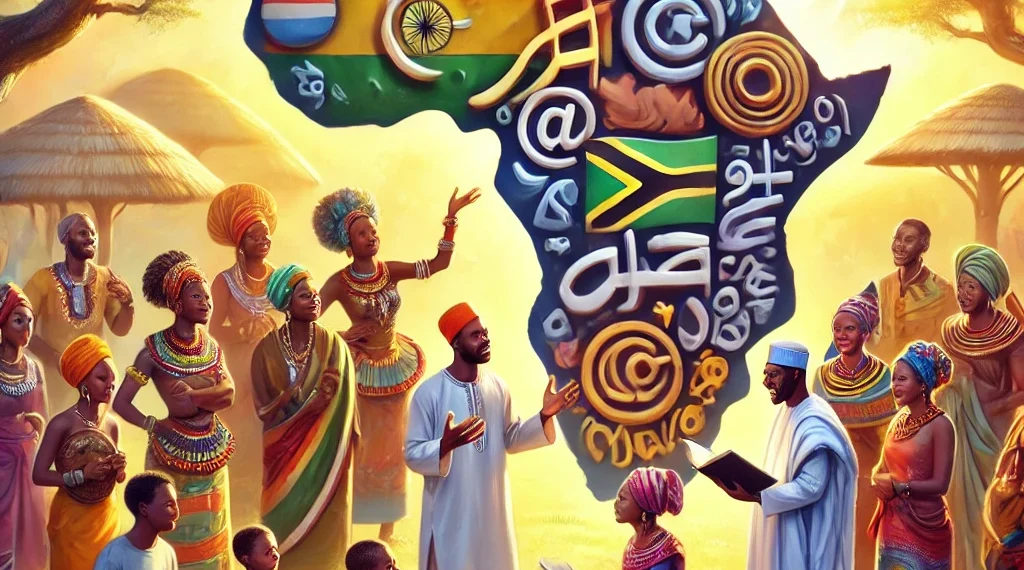
Africa’s Lost Tongues: A Continent’s Identity at Risk
Introduction
Imagine a world where your grandmother’s stories, rich with history and wisdom, fade into silence. Picture your favorite song, the one that always makes you dance, losing its meaning. This isn’t a scene from a dystopian novel; it’s the reality facing many African communities as their indigenous languages teeter on the brink of extinction. Africa, a continent renowned for its vibrant cultural tapestry, is facing a silent crisis: the erosion of its linguistic heritage. But why should we care, and what can we do about it?
The Whispers Fade: Why Languages Disappear
Language isn’t just about communication; it’s the vessel of culture, the repository of history, and the very essence of identity. Each language carries a unique worldview, a specific way of understanding the world passed down through generations. When a language dies, so does a part of that history, that worldview, and that identity.
The reasons behind this linguistic decline are complex and multifaceted. Colonial legacies, where European languages were imposed as the language of education, administration, and opportunity, left a lasting impact. Even after independence, these languages often retained their dominance, pushing indigenous tongues to the margins.
Globalization also plays a significant role. The allure of economic advancement often draws people towards dominant global languages like English, French, and Portuguese. Parents, wanting to give their children a competitive edge, may prioritize these languages over their mother tongue. This can create a situation where younger generations grow up with limited proficiency in their ancestral languages, accelerating their decline.
Beyond these broad forces, specific local factors contribute to the problem. Urbanization can lead to linguistic homogenization, as people from different language backgrounds mix and often adopt a common tongue. Internal migration, conflict, and even natural disasters can disrupt communities and force people to abandon their linguistic traditions.
The Ripple Effect: Short-Term and Long-Term Impacts
The loss of a language isn’t just an abstract cultural tragedy; it has real, tangible consequences for individuals and communities.
In the short term, it can lead to a decline in cultural understanding and intergenerational communication. Grandparents can no longer share their stories with their grandchildren, traditional songs and dances lose their meaning, and traditional knowledge about medicine, agriculture, and the environment is lost. This can create a sense of disconnect and alienation, especially for younger generations who are caught between two worlds.
Long-term, the impact is even more profound. The loss of linguistic diversity weakens the overall cultural richness of the continent. It diminishes our understanding of human history and the diversity of human thought. Furthermore, research suggests a strong link between linguistic diversity and biodiversity. Languages often contain unique knowledge about local ecosystems, and their loss can contribute to environmental degradation.
Consider the case of the Khoisan languages of Southern Africa, many of which are endangered. These languages are known for their unique click consonants and their rich vocabulary related to the natural environment. Losing these languages would mean losing invaluable knowledge about the flora and fauna of the region, as well as a unique perspective on the world.
Reclaiming Our Voices: Practical Solutions
The good news is that the situation isn’t hopeless. There are concrete steps we can take to revitalize and preserve Africa’s endangered languages.
1. Language Nests: Immersive Early Childhood Education
One of the most effective strategies is to create language nests: immersive early childhood education programs where children are exposed to the language from a young age. These programs provide a fun and engaging environment where children can learn the language naturally, through play, songs, and storytelling.
The Māori language revival in New Zealand offers a powerful example. Through the establishment of “Kōhanga Reo” (language nests) in the 1980s, the Māori community successfully revitalized their language, which had been on the verge of extinction. These immersion programs have played a crucial role in ensuring that future generations of Māori children grow up speaking their ancestral language.
2. Integrating Languages into the Formal Education System
Language nests are a great start, but we need to go further. Integrating indigenous languages into the formal education system, from primary school to university, is essential. This requires developing curricula, training teachers, and creating learning materials in these languages.
Botswana’s efforts to incorporate Setswana into its education system provide a valuable model. By making Setswana the language of instruction in the early years of schooling, Botswana has helped to preserve and promote its national language.
3. Embracing Technology: Digital Language Preservation
Technology offers a powerful tool for language preservation. Creating online dictionaries, language learning apps, and digital archives of oral traditions can make these resources more accessible and engaging for younger generations.
The development of the Wolof language keyboard and online dictionary in Senegal demonstrates the potential of technology to support language revitalization. By providing these resources, the Wolof community is making it easier for people to use and learn their language in the digital age.
4. Community-Led Initiatives: Empowering Local Voices
Ultimately, the success of any language revitalization effort depends on the active participation and leadership of the communities themselves. Supporting community-led initiatives, such as language classes, cultural festivals, and storytelling workshops, is crucial.
The work of the Batwa community in Uganda to preserve their indigenous language, Rutwa, showcases the importance of community-led initiatives. Through language classes, cultural events, and traditional storytelling, the Batwa community is actively working to ensure that their language and culture survive for generations to come.
5. Media and Arts: Amplifying Indigenous Voices
Promoting the use of indigenous languages in the media and the arts can also play a significant role in their revitalization. Supporting the production of films, music, and literature in these languages can help to increase their visibility and prestige.
The success of Nollywood, Nigeria’s film industry, in promoting the use of Nigerian languages, such as Yoruba, Igbo, and Hausa, provides a compelling example. By creating films in these languages, Nollywood has helped to increase their popularity and prestige, both within Nigeria and around the world.
A Future Forged in Our Tongues
The task of preserving Africa’s endangered languages is a challenging one, but it is not insurmountable. By embracing innovative solutions, empowering local communities, and fostering a sense of pride in our linguistic heritage, we can ensure that these languages continue to thrive for generations to come. Let us remember that in preserving our languages, we are preserving our identity, our history, and our connection to the past.
This isn’t just about preserving words; it’s about preserving worlds. Let’s choose to act, to support these initiatives, to learn and speak our languages, and to ensure that the vibrant chorus of African tongues continues to resonate across the continent and around the world. Let the whispers turn into a roar of cultural pride and linguistic vitality! The future of Africa’s identity depends on it.
“`