
LINGUISTIC TITANS: RANKING THE WORLD’S MOST INFLUENTIAL LANGUAGES
Introduction
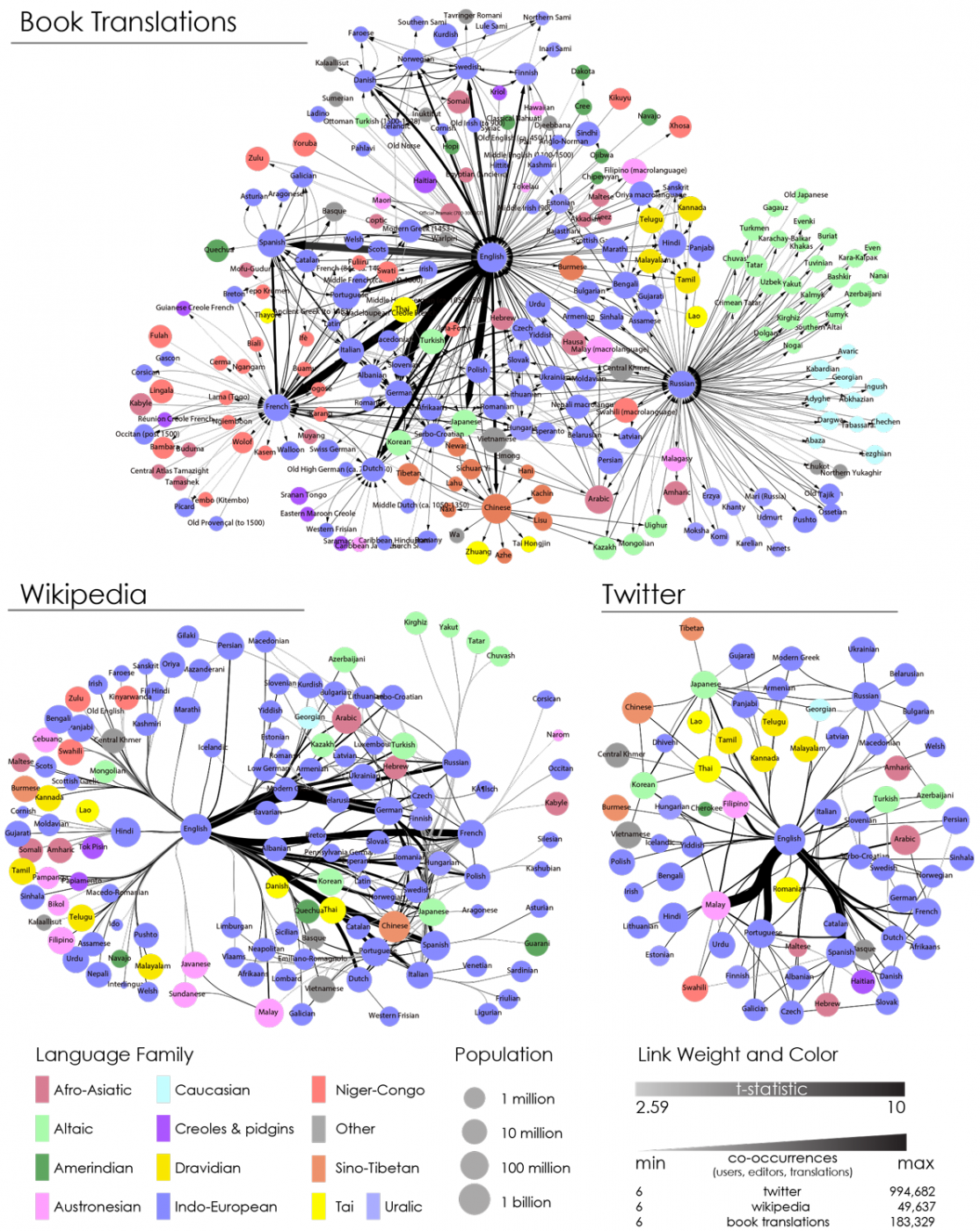
Ever stopped to wonder why certain languages seem to pop up everywhere, from your favorite streaming service to international business meetings? It’s not just about the sheer number of speakers; it’s about influence. Language, at its core, is a tool, and some tools are just…sharper. They cut through cultural barriers, open doors to economic opportunities, and shape the flow of information across the globe. But what makes a language truly *influential*, and which languages currently reign supreme? Let’s dive into the fascinating world of linguistic dominance.
Think of it like this: you’re building a global village, and languages are the building blocks. Some blocks are larger, sturdier, and more adaptable than others. They’re used for everything from laying the foundation (basic communication) to creating intricate designs (cultural expression and advanced technology). But the truth is, not all languages are created equal in terms of global impact.
The Short-Term Buzz and the Long-Term Legacy
The immediate impact of a dominant language is readily apparent. It streamlines international trade, simplifies travel, and facilitates access to information. Imagine trying to navigate a foreign country without a widely spoken language at your disposal. The frustrations mount quickly. This is why languages like English and Mandarin, with their widespread adoption, become instant keys to unlocking a world of possibilities. They are the languages of global business, scientific research, and popular culture.
However, the long-term ramifications are even more profound. Language influences how we think, how we perceive the world, and how we interact with each other. A dominant language can subtly shape global narratives, impacting everything from political discourse to artistic expression. It can create a sense of interconnectedness but also inadvertently lead to the marginalization of less-spoken languages and the cultures they represent. The dominance of a single language can, over time, contribute to a homogenization of thought, potentially stifling innovation and diversity.
So, Who Makes the Cut? The Usual Suspects and a Few Dark Horses
While a definitive, universally accepted ranking is subjective and constantly evolving, some languages consistently hold prominent positions. Here are a few of the most influential languages in the world, based on a combination of factors like number of speakers, economic power, cultural impact, and political clout:
- English: The undisputed champion. Thanks to its historical association with the British Empire and the economic and technological dominance of the United States, English reigns supreme in business, science, technology, and popular culture. It’s the lingua franca of the internet and international air travel.
- Mandarin Chinese: With the world’s largest population and a rapidly growing economy, China’s influence is undeniable. Mandarin is increasingly important in business, technology, and international relations.
- Spanish: Spoken by a massive population across Latin America and Spain, Spanish boasts a rich cultural heritage and a growing economic presence. Its influence is particularly strong in the Americas.
- Arabic: A language steeped in history and culture, Arabic is spoken across a vast region from North Africa to the Middle East. It is the language of the Quran and holds significant political and economic weight in the Arab world.
- Hindi: As one of the official languages of India, a country with a burgeoning population and a dynamic economy, Hindi is gaining increasing global significance.
- French: While its dominance has waned compared to its historical peak, French remains a language of diplomacy, international organizations, and high culture.
It’s important to remember that influence isn’t solely about the number of speakers. A smaller language can have a significant impact in specific fields or regions. For example, German, while not spoken as widely as English or Spanish, remains crucial in engineering, technology, and automotive industries. Similarly, Japanese holds a strong position in technology, animation, and design.
How to Navigate the Linguistic Landscape: Practical Solutions for a Globalized World
So, what does all this mean for you? Whether you’re a student, a business professional, or simply a curious global citizen, understanding the dynamics of linguistic influence can be incredibly valuable. Here are some practical ways to navigate this landscape:
- Embrace Multilingualism: Learning a new language isn’t just about adding a skill to your resume; it’s about expanding your perspective and connecting with different cultures. Choose a language that aligns with your interests, career goals, or travel aspirations. Don’t feel overwhelmed; even basic proficiency can open doors.
- Example: A marketing professional learning Spanish can tap into the vast Latin American market, translating campaigns and building relationships with local businesses.
- Prioritize Strategically: Don’t try to learn every language under the sun. Identify the languages most relevant to your field or region of interest and focus your efforts there. Consider the long-term trends and emerging markets.
- Example: A tech entrepreneur looking to expand into Southeast Asia might prioritize learning Vietnamese or Indonesian, given the region’s rapid economic growth and increasing tech adoption.
- Leverage Technology: Language learning apps, online courses, and translation tools have made language acquisition more accessible than ever before. Utilize these resources to supplement traditional learning methods.
- Example: Apps like Duolingo and Babbel offer gamified language lessons that can make learning fun and engaging. Google Translate can provide instant translations for written text and spoken conversations.
- Immerse Yourself: The best way to learn a language is to immerse yourself in the culture. Travel abroad, watch foreign films, listen to foreign music, and connect with native speakers.
- Example: Joining a language exchange group or volunteering in a foreign country can provide invaluable opportunities for immersion and cultural understanding.
- Support Linguistic Diversity: Advocate for the preservation of endangered languages and the promotion of multilingualism in education and society. Recognizing and celebrating linguistic diversity enriches our global community.
Alternative Approaches:
- Focused Language Learning: Instead of trying to become fluent, focus on learning specific vocabulary and phrases relevant to your industry or travel plans. This targeted approach can yield quick and practical results.
- Community-Based Learning: Join a local language learning group or partner with a native speaker for informal conversation practice. This approach can be more affordable and engaging than traditional classroom settings.
- AI-Powered Language Tools: Explore the use of AI-powered translation tools that go beyond simple word-for-word translations, offering contextual understanding and cultural nuances. These tools are becoming increasingly sophisticated and can be valuable for international communication.
The Future of Language: A Tapestry of Voices
The landscape of linguistic influence is constantly shifting. As economies evolve and cultures interact, new languages will rise to prominence, while others may fade into the background. However, the core principle remains the same: language is a tool, and understanding its power is essential for navigating an increasingly interconnected world.
Ultimately, embracing multilingualism is not just about learning new words and phrases; it’s about fostering empathy, building bridges, and creating a more inclusive and understanding global community. So, pick up a new language, dive into a different culture, and become a part of the vibrant tapestry of global communication. The world awaits!