
Global Tongues: Unveiling the World’s Most Influential Languages
Ever stopped to wonder why some languages dominate global conversations while others remain quietly spoken in smaller corners of the world? In our increasingly interconnected world, language isn’t just a means of communication; it’s a powerful tool shaping economies, influencing cultures, and driving innovation. Forget dry textbooks and dusty dictionaries – we’re diving into the fascinating world of linguistic influence and exploring the languages that are making the biggest waves.
Think about it. How many times have you heard someone say, “That’s a very Parisian thing to say,” or, “That idea translates well into Japanese business culture?” Language seeps into every aspect of our lives, often without us even realizing it. But which languages are truly leading the charge in this global symphony? And why should *you* care?
In this article, we’ll uncover the languages that wield significant influence, not just in terms of sheer numbers of speakers, but in their economic impact, cultural reach, and impact on international relations. We’ll also explore the opportunities that come with learning these languages and offer practical tips on how to get started. Ready to unlock the world with language? Let’s begin!
The Power Players: A Look at the Linguistic Landscape
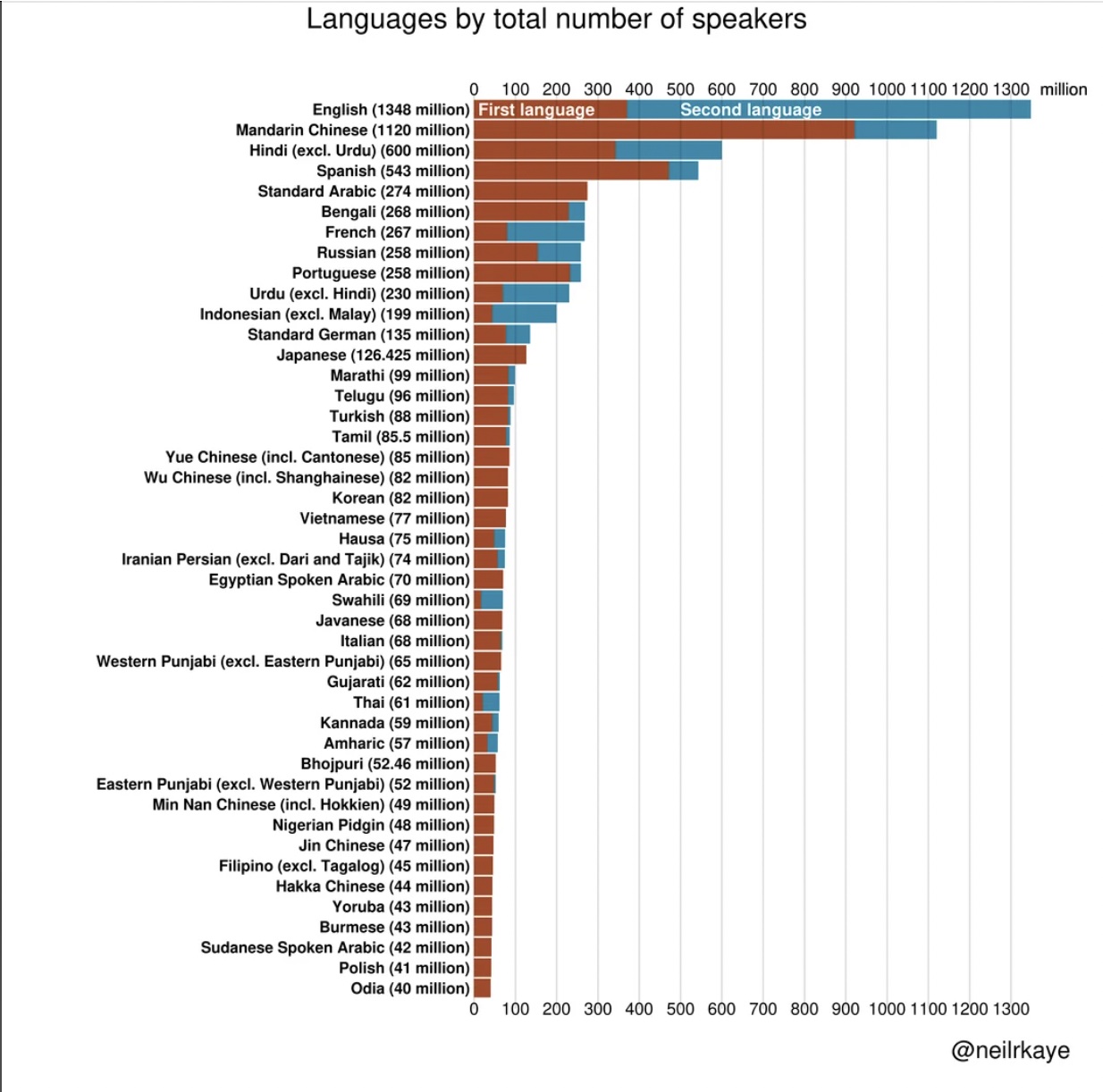
When we talk about influential languages, we’re not just counting heads. It’s about a language’s ability to shape industries, drive innovation, and connect people across borders. Here are some of the most prominent contenders:
- English: The Lingua Franca of Business and Technology: No surprises here. English reigns supreme as the language of international business, science, technology, and aviation. It’s the go-to language for multinational corporations, academic research, and the internet. Its global reach is undeniable, making it an essential skill for anyone aiming to succeed in today’s interconnected world.
- Mandarin Chinese: The Economic Giant: With the world’s largest population and a rapidly growing economy, Mandarin Chinese is becoming increasingly important. As China’s economic and political influence expands, so does the demand for professionals who can navigate its complex market and culture.
- Spanish: A Cultural and Economic Bridge: Spanning continents and cultures, Spanish boasts a massive global footprint, particularly in the Americas and Europe. Its cultural richness and economic significance make it a valuable asset, especially for those interested in Latin American markets, art, music, and literature.
- Hindi: A Booming Market & Rich Heritage: With India’s rise as a global power, Hindi is rapidly growing in influence. As the official language of India, it’s spoken by hundreds of millions of people and is key to understanding the country’s diverse culture and rapidly growing economy.
- Arabic: Gateaway to the Middle East and North Africa: The Arabic language serves as the key to unlocking the diverse and important cultures of the Middle East and North Africa. It gives access to a rich cultural heritage and can open doors to potential career paths.
The Short-Term and Long-Term Impacts
Why should you care about which languages are influential? Because the languages you choose to learn can profoundly impact your career, your personal growth, and your ability to connect with the world.
Short-Term Impacts:
- Career Advancement: In the immediate future, knowing an influential language can open doors to job opportunities, promotions, and higher salaries. Companies actively seek multilingual employees to expand into new markets and communicate effectively with international clients.
- Travel and Cultural Experiences: Imagine traveling to Spain and being able to converse fluently with locals, understanding their customs and traditions. Learning a language enhances your travel experiences, allowing you to immerse yourself in different cultures and build meaningful connections.
- Cognitive Benefits: Studies have shown that learning a new language can improve cognitive functions such as memory, problem-solving skills, and multitasking abilities.
Long-Term Impacts:
- Economic Opportunities: As the global economy evolves, the demand for multilingual professionals will continue to grow. Mastering an influential language positions you for long-term career success and financial stability.
- Global Citizenship: Learning a language fosters empathy and understanding of different cultures, promoting global citizenship and a more inclusive worldview. It enables you to participate in international conversations, contribute to global solutions, and build bridges between communities.
- Personal Enrichment: The journey of learning a new language is a transformative experience that expands your horizons, challenges your perspectives, and enriches your life in countless ways. It opens up new worlds of literature, art, music, and human connection.
Practical Solutions: How to Dive In
So, you’re convinced! You want to learn one of these influential languages. But where do you start? Here are some practical and actionable steps to get you going:
- Identify Your Goals and Interests: What motivates you? Are you drawn to a specific culture? Do you have career goals that align with a particular language? Choosing a language that resonates with your interests will make the learning process more enjoyable and sustainable.
- Explore Online Resources: The internet is a treasure trove of language learning resources. Platforms like Duolingo, Babbel, and Rosetta Stone offer interactive lessons, vocabulary builders, and grammar exercises.
- Immerse Yourself in the Culture: Surround yourself with the language as much as possible. Watch foreign films with subtitles, listen to podcasts in the target language, and read books or articles written by native speakers.
- Find a Language Partner: Connect with native speakers online or in your local community. Language exchange partners can provide valuable feedback, help you practice your conversational skills, and offer insights into the culture.
- Take a Class or Workshop: Consider enrolling in a language course at a local college, community center, or online platform. Structured classes provide a solid foundation in grammar and vocabulary, as well as opportunities for interaction with other learners.
- Travel to a Country Where the Language is Spoken: If possible, plan a trip to a country where your target language is spoken. Immersing yourself in the language and culture is the most effective way to accelerate your learning and gain fluency.
Alternative Approaches: Choosing What Works for You
Not every method works for everyone. The beauty of language learning is that there are so many different paths you can take.
- For the Busy Bee: If you’re short on time, focus on bite-sized lessons that you can squeeze into your daily routine. Apps like Memrise and Anki use spaced repetition to help you memorize vocabulary quickly and efficiently.
- For the Social Butterfly: Join a language learning group or attend language exchange events. Practicing with others can make the learning process more fun and engaging, and you’ll get to meet new people who share your interests.
- For the Techie: Explore language learning apps and websites that use gamification to make learning more interactive and addictive. Some apps even offer personalized learning plans based on your strengths and weaknesses.
- For the Audiophile: Listen to podcasts or audiobooks in your target language while you commute, exercise, or do household chores. This is a great way to improve your listening comprehension and expand your vocabulary passively.
- For the Visual Learner: Watch foreign films with subtitles or read graphic novels in your target language. Visual aids can help you understand the context and remember new words and phrases.
Case Studies: Success Stories
- Maria, the Marketing Manager: Maria learned Spanish to connect with clients in Latin America. Within a year, she was leading international marketing campaigns and significantly increasing sales.
- David, the Software Engineer: David mastered Mandarin Chinese to collaborate with a development team in China. His language skills not only improved communication but also fostered a stronger working relationship.
- Sarah, the Travel Blogger: Sarah learned Italian to immerse herself in the culture of Italy. Her blog became a hit as she shared her authentic experiences and insights with her readers.
These are just a few examples of how learning an influential language can open doors to new opportunities and enrich your life.
Conclusion: Unlock Your Potential
The world is becoming increasingly interconnected, and language is the key to unlocking its vast potential. By learning an influential language, you’re not just acquiring a new skill; you’re opening yourself up to new cultures, new perspectives, and new opportunities. Don’t be intimidated by the challenge – embrace it! Start small, stay consistent, and celebrate your progress along the way. The journey of language learning is a rewarding one that will transform your life in ways you never imagined. Take that first step today and embark on an adventure that will expand your horizons and empower you to connect with the world in a meaningful way. The world is waiting to hear your voice – in any language!