
Global Tongues: Decoding the Most Influential Languages
Introduction
Ever wondered why some languages seem to pop up everywhere, while others remain tucked away in specific corners of the globe? It’s not just about the number of speakers – influence is a far more complex beast. In today’s interconnected world, understanding which languages hold the keys to unlocking opportunities in business, culture, and global communication is more crucial than ever. So, grab a coffee, settle in, and let’s dive into the fascinating world of global tongues and their enduring impact.
Why This Matters: The Short and Long Game
Let’s face it, learning a new language takes time and effort. So, why bother? In the short term, strategically choosing a language can open doors to immediate opportunities. Imagine being able to negotiate a deal in Mandarin, land a dream job in Germany, or effortlessly navigate your way through Spain. These are tangible, immediate benefits.
But the long-term impact is even more profound. Understanding different languages breeds cultural sensitivity, expands your worldview, and enhances your cognitive abilities. Knowing a language other than your native tongue allows you to connect with people on a deeper level, understand different perspectives, and potentially even unlock innovative solutions to global challenges. Consider the exponential growth of economies in regions such as Southeast Asia, where proficiency in languages like Bahasa Indonesia or Vietnamese could become invaluable in the coming decades. In essence, choosing the right language is an investment in your future, both personally and professionally.
The Heavy Hitters: More Than Just Numbers
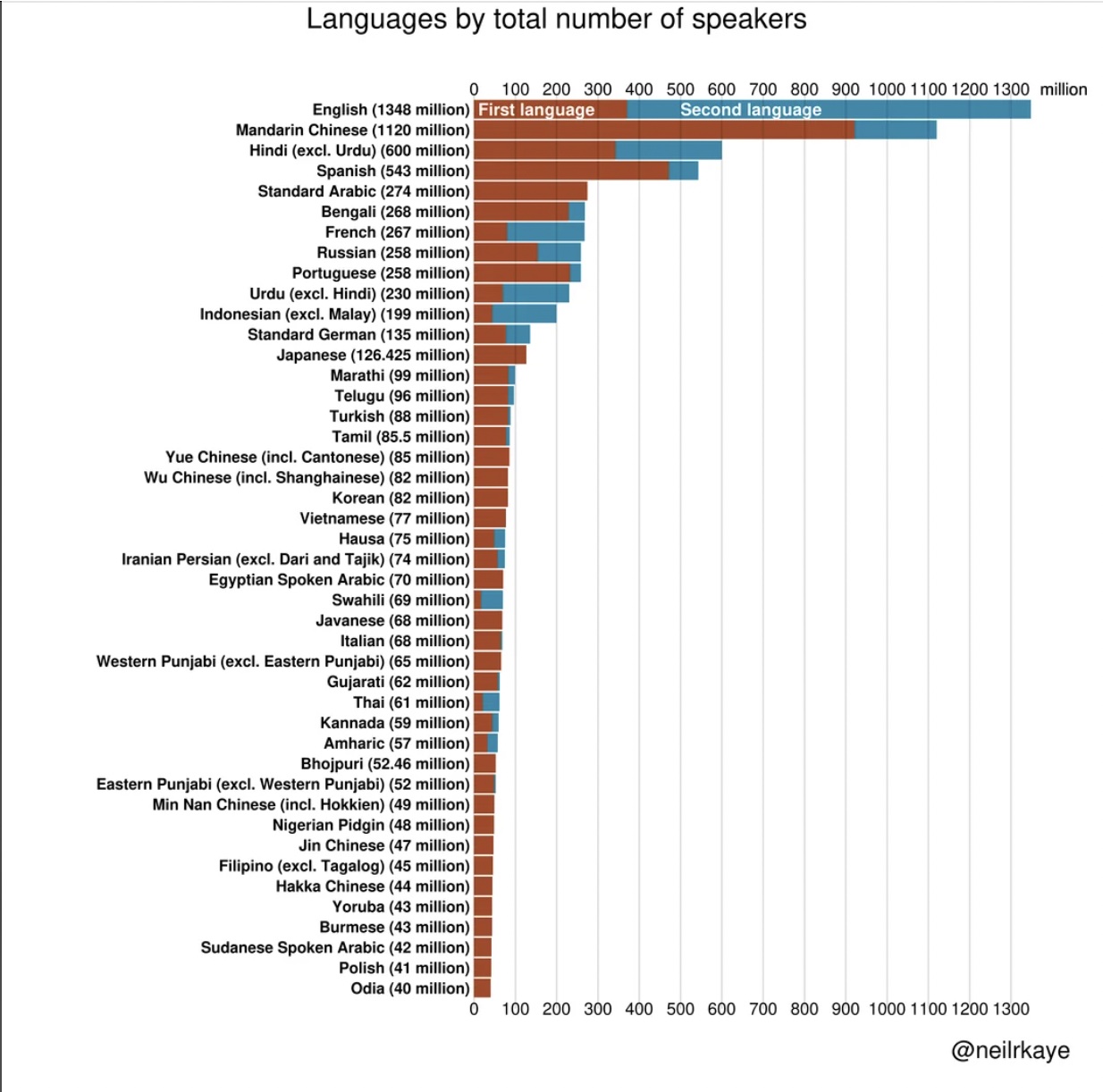
When we talk about influential languages, certain names immediately spring to mind. Mandarin Chinese, with its massive speaker base, is an obvious contender. The economic might of China makes it a language that businesses simply can’t ignore. But influence isn’t solely about population. English, while not boasting the highest number of native speakers, reigns supreme as the lingua franca of international business, science, technology, and aviation. Its widespread adoption makes it an indispensable tool for global communication.
Spanish, spoken across continents and with a vibrant cultural presence, is another major player. Its influence extends far beyond the Iberian Peninsula, dominating much of Latin America and holding significant sway in the United States. These languages offer a gateway to vast markets, diverse cultures, and unparalleled opportunities.
Beyond the Obvious: Unearthing Hidden Gems
While the “big three” often steal the spotlight, other languages are steadily gaining traction and deserve our attention. Arabic, spoken across the Middle East and North Africa, holds immense strategic importance, particularly in the energy sector and international relations. Its rich history and cultural heritage also contribute to its enduring influence.
German, while sometimes overlooked, remains a powerhouse in engineering, automotive, and pharmaceutical industries. Germany’s strong economy and technological innovation make it a language worth considering for anyone pursuing a career in these fields. Furthermore, Portuguese, while often overshadowed by Spanish, boasts a significant presence in Brazil, a major emerging economy with a burgeoning tech scene. Learning Portuguese can provide a competitive edge in South American markets and beyond.
Practical Solutions: Your Personalized Language Learning Roadmap
So, how do you decide which language is right for you? Here’s a practical approach:
- Define Your Goals: What do you hope to achieve by learning a new language? Are you aiming to advance your career, explore new cultures, or simply challenge yourself mentally? Understanding your motivations will help you narrow down your options.
- Consider Your Interests: Are you passionate about technology, art, or international business? Aligning your language learning with your existing interests will make the process more enjoyable and sustainable. For example, if you’re fascinated by Japanese culture, learning Japanese could be a deeply rewarding experience.
- Assess the ROI: Research the potential return on investment for different languages. Look at job prospects, salary potential, and opportunities for international collaboration. A language that aligns with your career aspirations and offers strong employment prospects is a wise investment.
- Choose Your Learning Method: Numerous resources are available, from traditional classroom settings to online courses and language exchange partners. Experiment with different methods to find what works best for you. Apps like Duolingo and Babbel offer accessible entry points, while platforms like Coursera and edX provide more structured learning experiences.
Alternative Approaches: Tailoring Your Learning Journey
Not everyone learns the same way. Here are a few alternative approaches to consider:
- Immersion: Surround yourself with the language as much as possible. Watch foreign films, listen to podcasts, and try to engage in conversations with native speakers. Consider taking a language immersion trip to a country where the language is spoken.
- Focus on Practicality: Don’t get bogged down in grammar rules. Instead, focus on learning practical phrases and vocabulary that you can use in everyday situations. This approach is particularly useful for travelers or those who need to communicate in a specific context.
- Language Exchange: Connect with native speakers online or in person and offer to teach them your native language in exchange for their help with the language you’re learning. This is a great way to practice your conversational skills and learn about different cultures. Platforms like Tandem and HelloTalk facilitate these exchanges.
Case Studies: Language Learning Success Stories
Consider the story of Maria, a marketing professional who learned Mandarin Chinese. Recognizing the growing importance of the Chinese market, she dedicated herself to learning the language. Within a few years, she was able to negotiate deals with Chinese partners and expand her company’s presence in Asia. Her language skills not only boosted her career but also broadened her cultural understanding and opened doors to new opportunities.
Another example is David, an engineer who learned German. His proficiency in German allowed him to secure a coveted position at a leading German automotive company. He credits his language skills with giving him a competitive edge and enabling him to collaborate effectively with his German colleagues.
These success stories highlight the transformative power of language learning and its potential to unlock personal and professional growth.
Conclusion: Embracing the Global Conversation
In today’s interconnected world, language is more than just a means of communication – it’s a gateway to understanding, opportunity, and global citizenship. By strategically choosing which languages to learn and embracing diverse learning methods, you can unlock your potential and contribute to a more interconnected and understanding world. Don’t be intimidated by the challenge. Start small, stay consistent, and celebrate your progress along the way. The world is waiting to hear what you have to say. Take the first step, and embark on your language learning journey today!