
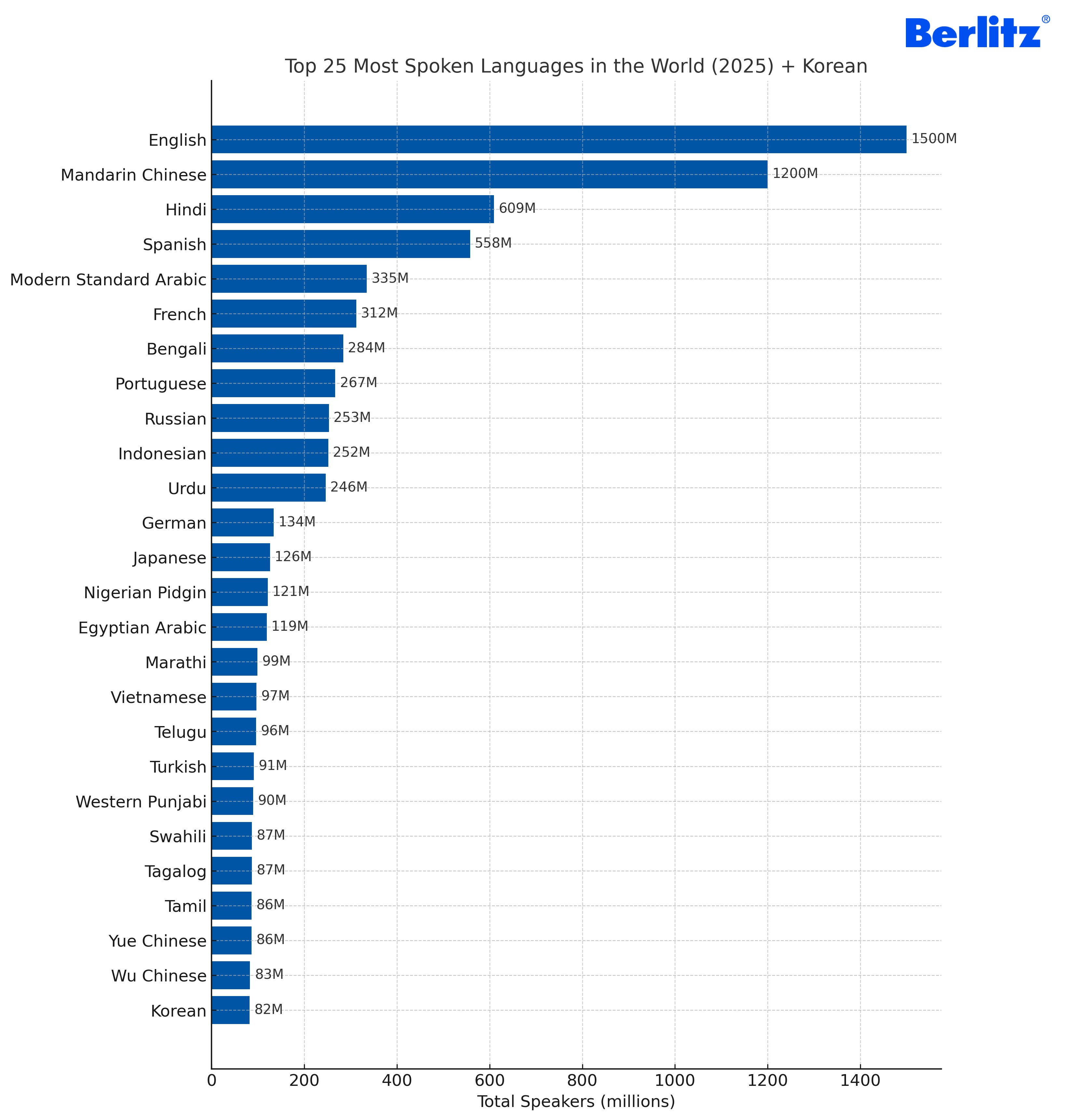
Global Tongues: The World’s Most Spoken Languages, Ranked
Introduction
Ever stopped to think about how many different languages are being spoken around the world right now? It’s a mind-boggling number! But have you ever wondered which ones are dominating the global conversation? Which tongues are connecting people across continents, shaping economies, and driving cultural exchange?
Forget stuffy linguistics textbooks. We’re diving into the fascinating world of global languages, ranking them by sheer speaker power and exploring why they matter to you, whether you’re a globetrotter, a business professional, or just a curious soul. So, buckle up, and let’s embark on a linguistic adventure!
The Power Players: Climbing the Language Ladder
Before we unveil the official ranking, let’s be clear: pinpointing the exact number of speakers for any language is tricky. Dialects, regional variations, and ever-shifting demographics make it a moving target. However, based on the best available data, here’s a peek at the top contenders:
(Note: Figures are estimates and subject to change.)
- 1. English (approx. 1.45 billion speakers): Holding the top spot, English’s global dominance is undeniable, fueled by its role in international business, science, technology, and popular culture.
- 2. Mandarin Chinese (approx. 1.11 billion speakers): With its vast number of native speakers and China’s growing economic influence, Mandarin is a force to be reckoned with.
- 3. Hindi (approx. 602 million speakers): A vibrant language spoken primarily in India, Hindi benefits from a massive population and Bollywood’s global reach.
- 4. Spanish (approx. 534 million speakers): Spanning across continents, Spanish is a powerful language spoken throughout Latin America and in parts of Europe and the United States.
- 5. Arabic (approx. 274 million speakers): With a rich cultural history and widespread use across the Middle East and North Africa, Arabic holds significant geopolitical importance.
These are just the tip of the iceberg. Other influential languages include Bengali, French, Russian, Portuguese, and Urdu, each with its own unique history and cultural significance.
More Than Just Words: The Short-Term and Long-Term Impacts
Why should you care about which languages are spoken the most? The answer lies in the significant impact these languages have on our world, both in the short term and the long term.
Short-Term Impacts:
- Career Opportunities: Speaking a globally relevant language like English or Mandarin can unlock doors to international jobs, collaborations, and higher earning potential. Imagine landing your dream job at a multinational corporation or expanding your business into a new market.
- Travel and Cultural Immersion: Knowing the local language enriches your travel experiences, allowing you to connect with people on a deeper level, navigate unfamiliar situations with ease, and truly immerse yourself in a different culture.
- Access to Information and Entertainment: From groundbreaking scientific research to captivating movies and music, language proficiency opens up a vast world of information and entertainment that would otherwise be inaccessible.
Long-Term Impacts:
- Economic Growth: Languages facilitate international trade, investment, and economic partnerships. Countries with a strong command of globally relevant languages are better positioned to participate in the global economy and attract foreign investment.
- Cultural Preservation and Exchange: Languages are inextricably linked to culture. By learning and preserving diverse languages, we safeguard our shared human heritage and promote cross-cultural understanding and tolerance.
- Global Collaboration and Innovation: Language proficiency fosters collaboration between people from different backgrounds, leading to innovation and solutions to global challenges. Imagine scientists from different countries working together to develop a new vaccine, or engineers collaborating on sustainable infrastructure projects.
The decline of any language represents a loss of unique cultural perspectives and traditions.
Bridging the Gap: Practical Solutions for Language Learning
So, how can you leverage the power of global languages to your advantage? Learning a new language can seem daunting, but with the right approach, it can be an enjoyable and rewarding experience. Here are some practical solutions to get you started:
- Embrace Online Learning Platforms:
- The Method: Websites and apps like Duolingo, Babbel, Memrise, and Rosetta Stone offer interactive lessons, gamified learning experiences, and personalized learning paths.
- Case Study: Maria, a busy professional, used Duolingo during her commute to learn basic Spanish. Within a few months, she was able to confidently order food and engage in simple conversations during her trip to Mexico.
- Immerse Yourself in the Culture:
- The Method: Watch foreign films and TV shows with subtitles, listen to music in your target language, and read books and articles.
- Case Study: David, a university student, improved his French by watching French films and listening to French podcasts. He found that immersing himself in the language helped him to understand the nuances of the language and culture.
- Find a Language Partner:
- The Method: Connect with native speakers through online platforms like HelloTalk, Tandem, or iTalki. Practice speaking, writing, and listening with your partner.
- Case Study: Elena, an entrepreneur, found a language partner from China through HelloTalk. They practiced English and Mandarin together, helping each other to improve their fluency and cultural understanding.
- Take Advantage of Community Resources:
- The Method: Enroll in language classes at your local community center, attend language exchange events, or join a language learning group.
- Case Study: A local library hosted free weekly Spanish conversation classes. By attending, a retired man learned enough Spanish to communicate with his neighbors and feel more connected to his community.
- Make it Fun and Relevant:
- The Method: Choose topics that interest you, set realistic goals, and reward yourself for your progress.
- Case Study: A cooking enthusiast learned Italian by following Italian cooking blogs and watching Italian cooking shows. They combined their passion for cooking with language learning, making the process more enjoyable and effective.
Alternative Approaches: Finding What Works for You
Not every learning style is the same. Here are a few alternative approaches to consider:
- Intensive Immersion Programs: If you have the time and resources, consider enrolling in an intensive language immersion program. These programs offer a fully immersive experience, allowing you to learn a language quickly and effectively.
- Travel and Study Abroad: Spending time in a country where your target language is spoken is a great way to improve your fluency and cultural understanding. Look for study abroad programs or language exchange opportunities.
- Private Tutoring: Working with a private tutor can provide personalized instruction and feedback, helping you to overcome specific challenges and achieve your language learning goals.
Conclusion
The world of languages is vast and diverse, offering endless opportunities for personal and professional growth. Whether you choose to learn English, Mandarin, Spanish, or any other language, the benefits are undeniable. By embracing language learning, you can unlock new opportunities, connect with people from different cultures, and contribute to a more interconnected and understanding world.
So, what are you waiting for? Start your language learning journey today and discover the power of global tongues! Don’t feel pressured to become fluent overnight. Every word learned, every conversation attempted, is a step towards building bridges and expanding your horizons. The world is waiting to hear your voice – what language will you use to speak to it?