
English:The Language That Ate the World
Introduction
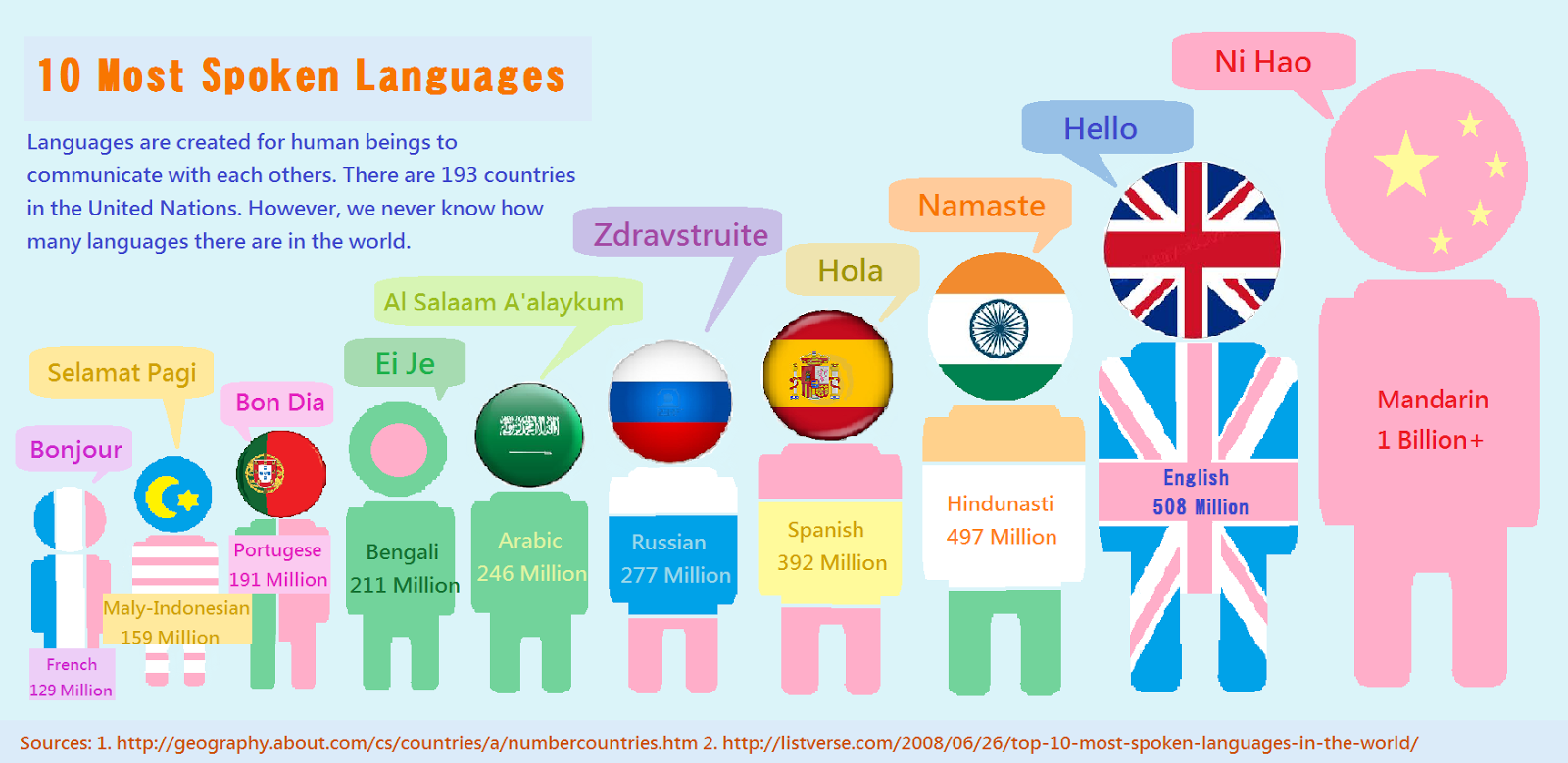
Ever ordered a “latte” in Rome and found the barista understands perfectly, or navigated a bustling Tokyo marketplace armed only with basic English phrases? If so, you’ve witnessed firsthand the astonishing global reach of English. It’s the language of business, science, technology, and pop culture, seemingly woven into the fabric of modern life. But this linguistic dominance isn’t without its consequences. Is English simply a convenient lingua franca, or is it “eating” away at the world’s linguistic diversity, leaving a less vibrant cultural landscape in its wake?
Imagine a world painted in monochrome. That’s what linguistic homogenization threatens. While English undeniably opens doors and facilitates communication on a grand scale, its increasing prevalence raises serious questions about the future of other languages and cultures. Let’s dive in and explore the good, the bad, and what we can do about it.
The Rise of the English Empire
How did English become so dominant? It’s a multifaceted story with roots in colonialism, technological advancements, and economic power. The British Empire spread English across vast swathes of the globe, from India to Australia. Then, the United States, a nation built on immigration and innovation, solidified English’s position as the language of global leadership, particularly after World War II. The internet, arguably the defining invention of our age, was born in English-speaking environments, further solidifying its place at the digital table. Today, English is the de facto language of international business, academic research, and, let’s face it, binge-worthy streaming content.
The Short-Term Impacts: Opportunity and Exclusion
In the short term, the prevalence of English creates a complex duality. On one hand, it opens doors to education, employment, and global collaboration. Fluency in English is often a prerequisite for accessing higher education in many countries, landing jobs in multinational corporations, and participating in international scientific research. Think of researchers from different countries collaborating on a groundbreaking medical breakthrough, facilitated by their shared understanding of English.
On the other hand, this linguistic gatekeeping can exclude individuals who lack access to quality English education. Imagine a talented entrepreneur from a rural community in Southeast Asia, whose brilliant business idea struggles to gain traction simply because they aren’t fluent in English. This creates an uneven playing field, potentially widening existing socio-economic disparities.
The Long-Term Impacts: Cultural Erosion and Linguistic Loss
The longer-term consequences are even more profound. Linguistic diversity is a crucial aspect of cultural heritage. Each language embodies a unique worldview, a specific set of traditions, stories, and ways of understanding the world. When languages disappear, so too do the cultural riches they contain.
Consider the example of indigenous languages around the world. Many of these languages are facing extinction due to various factors, including pressure to assimilate into dominant cultures and the lack of opportunities for younger generations to use and learn them. As these languages fade, so does invaluable traditional knowledge about medicine, agriculture, and environmental conservation.
Furthermore, the dominance of English can lead to a feeling of linguistic inferiority in speakers of other languages. People may feel pressured to abandon their native tongue in favor of English to succeed professionally or gain social acceptance. This can lead to a loss of cultural identity and a weakening of community ties.
Solutions: Promoting Multilingualism and Linguistic Diversity
The good news is, we don’t have to passively watch as English steamrolls over other languages. There are practical steps we can take to promote multilingualism and preserve linguistic diversity.
- Invest in Multilingual Education: Governments and educational institutions should prioritize multilingual education programs that encourage students to learn English alongside their native languages. This can be achieved through initiatives like bilingual immersion programs, where students learn core subjects in both English and another language. Finland, for example, has a strong emphasis on multilingual education, with students learning Finnish, Swedish, and English from a young age.
- Support Language Revitalization Efforts: Communities and organizations dedicated to preserving and revitalizing endangered languages need support. This could include funding for language documentation projects, language nests for young children, and language classes for adults. In New Zealand, the Māori language revitalization movement has been instrumental in increasing the number of Māori speakers through various initiatives, including immersion schools and language advocacy campaigns.
- Embrace Technology for Language Preservation: Technology can play a crucial role in preserving and promoting languages. Language learning apps, online dictionaries, and machine translation tools can make it easier for people to learn and use different languages. Additionally, recording and archiving oral traditions in endangered languages can help preserve cultural heritage for future generations.
- Promote Linguistic Diversity in Media and Entertainment: Media and entertainment industries have a powerful influence on cultural attitudes. By featuring diverse languages and cultures in films, television shows, and music, they can help raise awareness and appreciation for linguistic diversity. Streaming services like Netflix are increasingly offering content in a wider range of languages, providing viewers with access to diverse cultural perspectives.
- Challenge the Monolingual Mindset: Ultimately, shifting attitudes towards multilingualism is crucial. We need to challenge the perception that English is the only language that matters and recognize the value of linguistic diversity. This can be achieved through public awareness campaigns, cultural exchange programs, and encouraging people to learn and appreciate other languages.
Conclusion: A World of Many Voices
The rise of English as a global language presents both opportunities and challenges. While it undoubtedly facilitates communication and opens doors to global collaboration, it also poses a threat to linguistic diversity and cultural heritage. However, by embracing multilingual education, supporting language revitalization efforts, leveraging technology, promoting diversity in media, and challenging the monolingual mindset, we can create a world where English coexists peacefully with other languages, enriching our global community with a vibrant tapestry of cultures and perspectives.
The future doesn’t have to be a monochrome landscape dominated by a single language. It can be a vibrant, multicolored tapestry woven with the threads of countless languages, each contributing its unique beauty and wisdom to the world. The choice, ultimately, is ours. Let’s choose a world where every language has a voice, and where linguistic diversity is celebrated as a source of strength and enrichment.